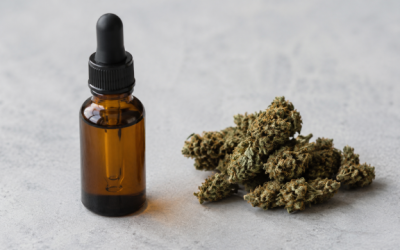
The choice of carrier oil determines your CBD oil’s effectiveness far more than you might imagine. In Switzerland, where cannabidiol remains legal up to 1% THC content, cannabinoid bioavailability depends primarily on this support oil that facilitates absorption and optimizes desired effects.
A carrier oil represents the lipidic vehicle that enables fat-soluble cannabinoids to effectively cross biological barriers and be adequately absorbed by your organism. These fatty molecules facilitate CBD passage through the intestinal mucosa and optimize transport toward the bloodstream. Without this fat base, CBD presents limited bioavailability and unpredictable effects, as your body struggles to assimilate these naturally hydrophobic compounds.
Supercritical CO₂ extraction practiced by Swiss laboratories produces pure concentrates, but the carrier oil determines their assimilation by the organism. MCT, hemp seed, olive, or avocado – each option differently influences absorption speed, taste, and final product stability.
This guide examines scientific criteria that distinguish exceptional carrier oils from basic solutions, with detailed comparative analyses and personalized recommendations according to your specific needs.
⚠️Warning: CBD products are not medicines and never replace medical treatment. Information detailed in this article does not constitute medical advice and cannot serve to diagnose, treat, or cure any disease. Always consult your physician or healthcare professional before using CBD, particularly if taking other medications. Furthermore, CBD products (including oils) sold in Switzerland are not made for ingestion: take time to read package instructions and respect provided warnings.
Table of contents on Carrier Oils
Why are carrier oils essential to CBD?
Carrier oils represent the key to your CBD’s effectiveness. A carrier oil is a food-grade lipid that transports cannabinoids in your organism, because CBD cannot be absorbed alone in your aqueous digestive system.
Without support oil, only 6 to 15% of CBD reaches your bloodstream. These oils create particles that bypass hepatic metabolism, multiplying bioavailability by 3 to 5 times.
Dissolution science relies on CBD’s affinity for fats. Oil optimizes this distribution for stable and efficient absorption. Absorption coefficient, stability, fatty acid profile, and purity determine carrier oil quality – measurable parameters for choosing optimal support according to your needs.
What is a carrier oil for CBD?
A carrier oil designates a neutral food-grade lipid used as a vehicle to solubilize and transport fat-soluble cannabinoids in the organism. These pharmaceutical or food-grade quality oils serve as bioavailable support for CBD concentrates.
Selection criteria include purity, oxidative stability, fatty acid profile, and absence of contaminants. Carrier oils distinguish themselves from aromatic essential oils through their transport function rather than aromatization.
Why does CBD need a carrier oil to work effectively?
Cannabidiol presents a lipophilic molecular structure that limits its absorption in aqueous environments of the digestive system. This characteristic necessitates lipidic vehicle usage to optimize bioavailability.
Isolated CBD administration results in erratic absorption with unpredictable concentration peaks. Carrier oil stabilizes this absorption by creating a homogeneous emulsion that facilitates lipidic micelle formation in the small intestine.
Lipid-induced lymphatic transport helps cannabinoids bypass part of the hepatic first-pass metabolism, preserving a greater proportion of active compounds. This explains why a complete collection of CBD oils with different carrier oils delivers superior efficacy compared to formulations without fatty support.
How do carrier oils improve CBD bioavailability?
Bioavailability designates the proportion of CBD that effectively reaches your bloodstream after administration, a crucial pharmacokinetic parameter for evaluating a product’s actual efficacy.
Carrier oils improve this CBD absorption, but effectively. They transform CBD into small particles easily assimilated by your organism, somewhat like mixing oil in vinaigrette for better blending.
These specialized oils create a “fast track” that avoids part of your liver’s natural filter. Result: your body absorbs 3 to 5 times more CBD compared to intake without carrier oil – a significant pharmacokinetic improvement that directly optimizes therapeutic efficacy.
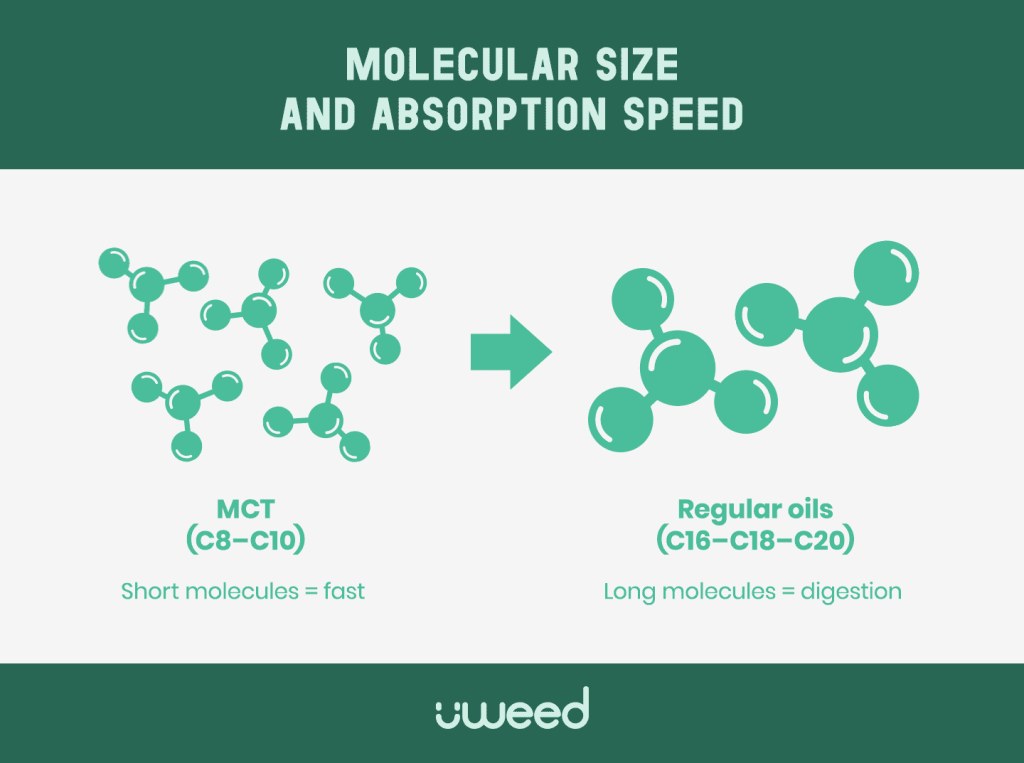
Not all oils equal this transport. Short-chain oils like MCTs function better than conventional oils for carrying CBD in your system. Understanding this difference in efficacy helps you choose the ideal CBD percentage to match your product’s carrier oil.
What’s the science behind cannabinoid dissolution?
Cannabinoid dissolution functions according to a simple principle: “like dissolves like”. CBD, being a fatty molecule, naturally mixes with oils but refuses to dissolve in water – exactly like olive oil in your kitchen.
This natural affinity for fats explains why CBD needs a carrier oil to distribute adequately and remain stable in your product. Without this compatibility, CBD would form clumps or separate, making dosage unpredictable.
Homogenization between CBD and its carrier oil creates a uniform solution where each drop contains precisely the same concentration. This stability guarantees you always receive the same dose, regardless of when you use your bottle. This compatibility science illuminates differences between CBD, hemp, and cannabis oils according to their composition and preparation method.
What are the scientific criteria for evaluating carrier oils?
To evaluate carrier oil quality, several concrete criteria are essential. Absorption capacity determines the efficacy with which it transports CBD in your organism.
Stability influences conservation duration – rancid oil degrades taste and cannabinoids. Fatty acid profile reveals absorption properties: specific structures transport CBD better than others.
Purity remains fundamental: contaminant analyses, pesticide absence, and origin traceability. Organic certifications and laboratory testing guarantee these standards.
These criteria explain why certain oils optimize CBD efficacy more effectively, especially when paired with extraction methods that preserve compatibility with the best carrier oils.
What are the main carrier oils used in CBD products?
The market offers several carrier oils with distinct characteristics. MCT oil dominates thanks to rapid absorption and neutral taste, despite higher cost.
Hemp seed oil creates natural synergy with CBD by reinforcing the entourage effect, particularly for full-spectrum products, though it has a pronounced herbaceous taste.
Olive oil brings stability and natural antioxidants with good cultural acceptability, but moderate absorption.
Alternatives like avocado (premium stability), sunflower (quality-price ratio), and grapeseed (lightness) target specific needs according to your individual preferences.
MCT oil: benefits, drawbacks, and usage guide

MCT oil (medium-chain triglycerides) extracted from coconut constitutes the premium choice for quality CBD products. This pharmaceutical oil offers exceptional bioavailability thanks to the unique composition of caprylic (C8) and capric (C10) acids.
Why it dominates the market: ultra-rapid absorption bypasses the classic digestive system, perfectly neutral taste doesn’t alter CBD experience, and thermal stability guarantees long-duration conservation without refrigeration.
Attention points: cost superior to traditional alternatives, carbon footprint linked to transport from tropical regions, and possible digestive sensitivity during too-rapid introduction – better to start progressively.
Swiss production privileges pharmaceutical-grade MCTs, purified by molecular distillation to eliminate all impurities and guarantee optimal compatibility with most refined CBD extracts.
What makes MCT oil ideal for sublingual CBD absorption?
MCT oil presents a unique molecular structure that facilitates direct intestinal absorption without requiring complex digestive processes. Medium-chain fatty acids (C8-C10) rapidly cross the intestinal mucosa via the hepatic portal system.
This absorption pathway partially bypasses first-pass metabolism, preserving a high plasma concentration of active cannabinoids. Fluid texture and neutral taste of MCT oil optimize user experience, encouraging regular usage essential for maintaining stable therapeutic levels.
These CBD products work with ketogenic and paleolithic diets, making them an excellent fit for more people. Perfect for anyone looking for options that align with their nutrition goals. In our guide, you’ll discover different ways to use CBD oils.
MCT C8 vs C10: which is better for CBD?
Caprylic acid (C8) demonstrates superior absorption speed to capric acid (C10), resulting in faster CBD effect onset. This difference is explained by the carbon chain length that directly influences intestinal absorption kinetics.
Pure C8 presents the advantage of more efficient ketogenic conversion and generally better digestive tolerance. C8/C10 blends optimize cost/efficacy ratio while conserving superior performance to long-chain oils.
Hemp seed oil: natural synergy with CBD
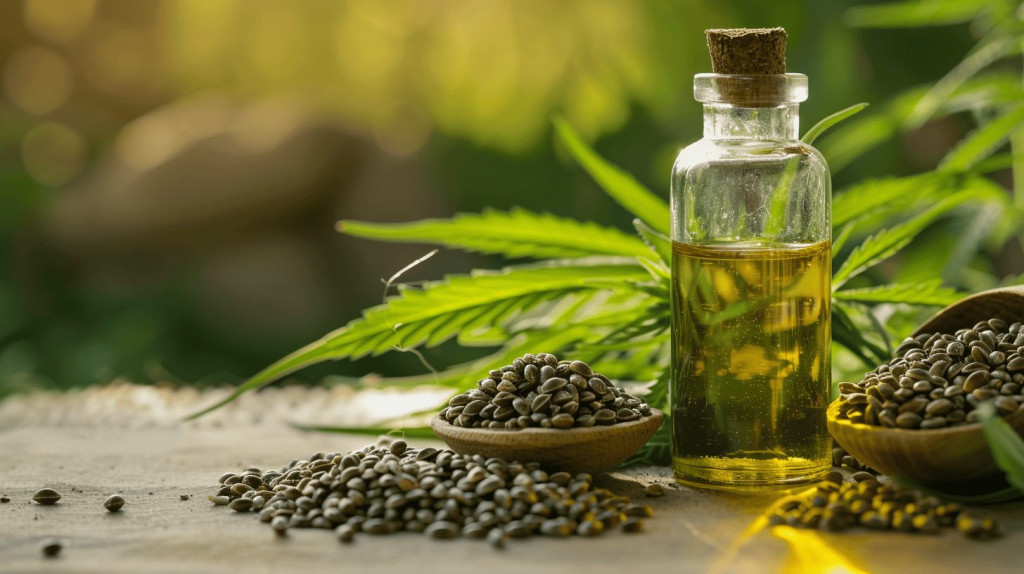
Cold-pressed hemp seed oil offers unique botanical synergy with CBD extracts, sharing the exact plant origin. This exceptional nutritional oil contains a perfectly balanced omega-3 and omega-6 fatty acid profile (3:1 ratio).
Distinctive advantages: theoretical reinforcement of entourage effect by residual terpenes, complete traceability from the same hemp supply chain, rich nutritional profile in vitamin E and minerals.
Practical considerations: pronounced herbaceous flavor potentially displeasing, distinctive green color, increased oxidation sensitivity requiring rigorous conservation.
How does hemp seed oil enhance the entourage effect?
Hemp seed oil conserves traces of terpenes and minor cannabinoids naturally present in the plant, creating theoretical synergy with added CBD. This interaction could potentiate effects by endocannabinoid receptor modulation.
Residual terpenes like myrcene and limonene can facilitate principal cannabinoid absorption by influencing cellular permeability. User experience often reports more complete effects with hemp seed oil compared to neutral oils.
This theory of entourage effect of cannabinoids reinforcement, though not definitively proven, justifies growing interest in this coherent botanical approach.
Why choose hemp seed oil for full-spectrum CBD products?
Hemp seed oil harmonizes perfectly with full-spectrum CBD extracts that preserve the ensemble of natural cannabinoids and terpenes. This botanical coherence theoretically maximizes the interaction between all active compounds from the same plant.
Complete traceability from a unique hemp supply chain guarantees authenticity and raw material quality. This integrated approach attracts users seeking an authentic and natural CBD experience.
Purists value the idea of preserving the plant’s original characteristics, believing that nature optimizes molecular synergies on its own. This “whole plant” philosophy places the product in an artisanal, premium category, as outlined in our guide to the different CBD oil spectrums.
Olive oil: Mediterranean tradition meets CBD
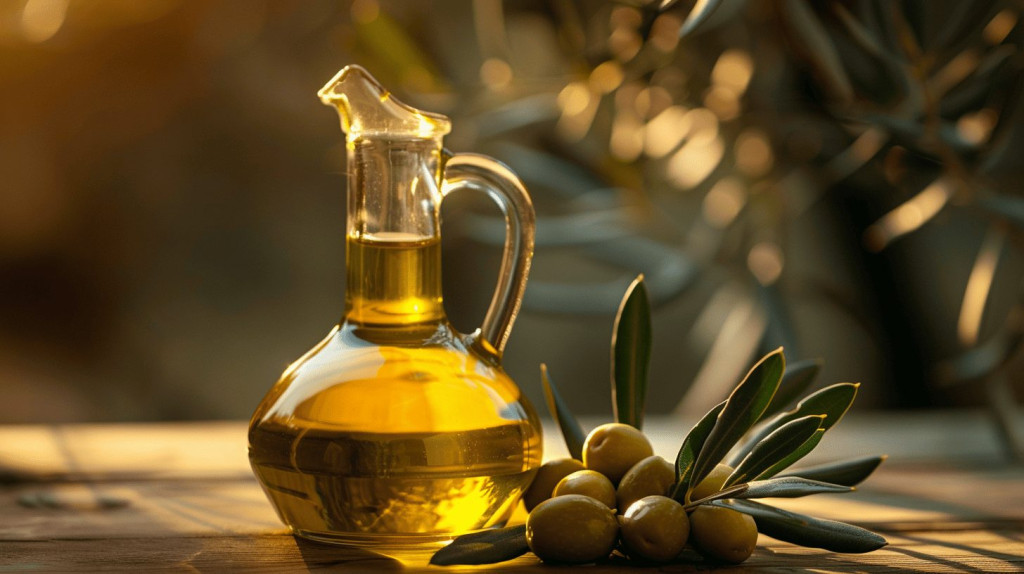
Extra virgin olive oil, first cold-pressed, brings richness in antioxidant polyphenols and exceptional stability to CBD formulations. This traditional Mediterranean oil presents a lipidic profile dominated by monounsaturated oleic acid, offering an interesting balance between efficacy and tradition.
- Significant assets: high concentration of natural antioxidants (vitamin E, polyphenols), remarkable oxidative stability allowing prolonged conservation, elevated smoke point resisting thermal variations, and high cultural acceptability in Europe.
- Limitations to consider: pronounced Mediterranean taste potentially masking or altering CBD experience, less optimal absorption than MCTs, higher density affecting texture, and qualitative variability according to origin and treatment.
Premium producers integrate olive oil in their high-end ranges to target consumers seeking naturalness and tradition, accepting a moderate absorption profile in exchange for organoleptic richness and natural antioxidant stability.
What polyphenols does olive oil provide for CBD?
Extra virgin olive oil contains more than 30 different phenolic compounds, principally hydroxytyrosol, oleocanthal, and caffeic acid derivatives. These natural antioxidants potentially protect cannabinoids against oxidation during storage.
Oleocanthal presents documented anti-inflammatory properties that could theoretically synergize with CBD effects, creating a beneficial interaction between olive and hemp active compounds.
This natural antioxidant protection represents a significant advantage compared to neutral oils containing no bioactive compounds, justifying interest in this traditional carrier oil that prolongs final product shelf life.
Is olive oil suitable for sublingual CBD use?
Olive oil presents an intermediate absorption profile, less efficient than MCTs but superior to long-chain saturated oils. Its strong cultural acceptability in Europe partially compensates this efficacy limitation.
Distinctive Mediterranean taste can constitute an obstacle or an asset according to individual preferences. Certain users appreciate this gustatory familiarity that naturally masks the potential bitterness of CBD extracts.
Progressive taste adaptation generally allows satisfactory acceptance, particularly for users already familiar with quality olive oil consumption in their daily diet.
Other carrier oils: avocado, sunflower, and grapeseed
The CBD market explores alternative carrier oils to respond to specialized needs and differentiate product offerings. These emerging options present unique profiles combining specific advantages and particular constraints.
Innovation in carrier oils responds to consumer preference evolution toward more diversity, naturalness, and personalization. These alternatives allow brands to distinguish themselves while targeting specific user segments.
Avocado oil: the new premium CBD carrier option
Cold-pressed avocado oil emerges as a premium option thanks to its exceptionally elevated smoke point (271°C) and richness in monounsaturated fatty acids. This remarkable thermal stability preserves cannabinoid integrity during processing.
Natural vitamin E concentration offers significant antioxidant protection, while lipidic profile favors correct cannabinoid absorption. Subtle taste and light texture improve user acceptability, positioning these products in the super-premium segment.
Sunflower oil: an affordable and stable alternative
High-oleic sunflower oil presents an excellent quality-price ratio with superior oxidative stability to conventional varieties. Genetic selection optimized the fatty acid profile to maximize conservation duration.
Neutral taste and local European availability reduce logistic costs while maintaining acceptable absorption performance for CBD. This option democratizes access to quality CBD products without significantly compromising efficacy.
Grapeseed oil: lightweight and fast-absorbing
Grapeseed oil distinguishes itself by its exceptionally light texture and rapid absorption, characteristics valued for specific, specialized applications. Richness in natural antioxidants (proanthocyanidins) protects cannabinoids.
Polyunsaturated profile, however, necessitates rigorous conservation precautions to avoid premature oxidation. European viticultural origin attracts consumers seeking local and sustainable supply chains, particularly in wine-producing regions.
How to choose the best carrier oil for your CBD?
Choosing optimal carrier oil depends on your priorities: rapid absorption, taste, budget, and dietary constraints. The comparative table shows MCTs dominate for absorption performance, while hemp seed oil excels for full-spectrum product authenticity.
For maximum absorption, prioritize MCTs thanks to their efficient lymphatic transport. Sensitive stomachs also tolerate them better. Concerning allergies, avoid hemp seed if sensitive to oleaginous plants, and choose MCTs for ketogenic diets.
Gustatory experience varies from neutral (MCT) to herbaceous (hemp seed), influencing your regular usage. Conservation and quality are verified through organic certifications and manufacturer transparency.
These criteria allow you to optimize the benefits of CBD oil according to your profile.
Carrier oil comparison: bioavailability and characteristics
⚠️ Important: In Switzerland, CBD oils are classified as cosmetic products and are not intended for ingestion. Comparisons below concern theoretical properties of carrier oils for educational purposes only. Always respect usage instructions appearing on your product packaging.
This table synthesizes each carrier oil’s performance according to the most important criteria for your choice. It allows rapid option comparison and identification of the option that best corresponds to your specific priorities.
Comparative Table: Carrier Oil Properties
| Oil | Absorption | Taste | Stability | Price | Optimal Usage |
|---|---|---|---|---|---|
| MCT | ⭐⭐⭐⭐⭐ | Neutral | ⭐⭐⭐⭐⭐ | €€€ | Maximum performance |
| Hemp Seed | ⭐⭐⭐ | Herbaceous | ⭐⭐ | €€€€ | Authentic full spectrum |
| Olive | ⭐⭐⭐ | Mediterranean | ⭐⭐⭐⭐ | €€ | Tradition & stability |
| Avocado | ⭐⭐⭐ | Subtle | ⭐⭐⭐⭐ | €€€€ | Premium thermostable |
| Sunflower | ⭐⭐ | Neutral | ⭐⭐⭐ | € | Quality-price ratio |
| Grapeseed | ⭐⭐⭐⭐ | Light | ⭐⭐ | €€ | Light texture |
Which carrier oil for fast CBD absorption?
For maximum rapid absorption, medium-chain triglycerides (MCT) constitute an optimal choice to optimize cannabidiol bioavailability. C8-C10 structure facilitates direct lymphatic transport, partially bypassing hepatic metabolism that slows absorption.
Grapeseed oil also offers favorable absorption kinetics thanks to its light texture and intermediate-length fatty acids. This option represents an interesting alternative for users sensitive to the coconut taste of MCTs.
Pure C8 MCT blends demonstrate the fastest action speed, ideal for usage requiring an immediate onset. This performance justifies additional cost for applications prioritizing rapid action.
Best carrier oil for sensitive stomachs?
Sensitive stomachs generally better tolerate MCTs due to their optimized digestibility and direct metabolism without complex enzymatic processes. Progressive introduction minimizes initial digestive discomfort risks.
Allergies and dietary restrictions: compatibility guide
Your dietary constraints directly orient carrier oil choice for safe and adapted CBD usage.
- Oleaginous allergy: avoid hemp seed oil and prioritize MCTs (coconut), olive, or avocado according to your tolerances. Always test by micro-doses before regular usage.
- Ketogenic diet: MCTs represent the optimal choice with direct ketogenic conversion. Avocado and olive also suit with their healthy fat profile.
- Vegan diet: all vegetable oils are compatible. Verify the absence of animal gelatin in capsules if applicable.
Taste and texture: what makes a difference?
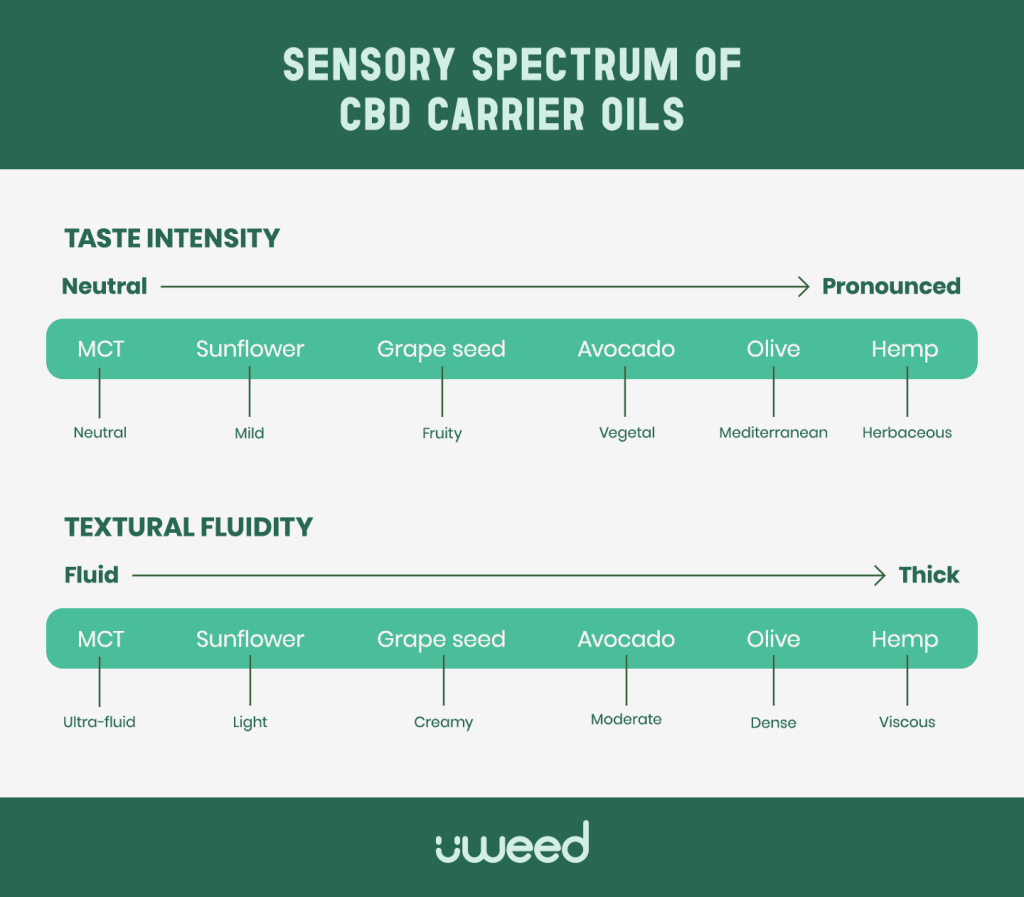
Sensory experience directly influences your regular usage and results.
- Gustatory profiles: MCT (absolute neutral), grapeseed (light fruity), avocado (subtle vegetal), olive (pronounced Mediterranean), sunflower (discreet oily), hemp seed (distinctive herbaceous).
- Textures: MCTs and grapeseed offer optimal fluidity for sublingual administration, while olive presents more marked density under the tongue.
Shelf life and value for money by carrier oil
Your CBD oil’s lifespan depends directly on its composition and storage conditions.
- Optimal conservation durations: MCT (24 months), extra virgin olive (18 months), oleic sunflower (18 months), avocado (12 months), grapeseed (6-8 months), hemp seed (6-10 months).
- Essential storage conditions: maintain a stable temperature between 15-20°C, avoid any direct light exposure, use a tinted hermetic container, and avoid repeated thermal variations that degrade cannabinoids.
Most stable oils (MCT, olive) offer better investment/duration ratio, while delicate options (hemp seed, grapeseed) necessitate faster consumption despite their specific benefits.
How to identify a quality CBD carrier oil?
Visual indices immediately reveal quality: color coherent with oil type, absence of suspicious deposits or abnormal crystallizations, and appropriate transparency without unexplained turbidity.
- Indispensable certifications: seek certified organic agriculture labels, independent laboratory analyses to detect contaminants and pesticides, complete origin traceability, and compliance with strict pharmaceutical or food standards.
- Freshness indicators: characteristic but non-rancid odor, homogeneous texture without separation, and recent production dates concerning conservation duration. The best Swiss CBD oils using premium carriers systematically respond to these demanding selection criteria, guaranteeing optimal efficacy of your cannabinoids.
Frequently asked questions about CBD carrier oils
Can you mix different carrier oils?
Theoretically yes, but we prioritize single carrier oil per product to guarantee stability and predictable effects. Rather than mixing your bottles, we recommend successively testing our different formulations – you’ll thus precisely identify which carrier oil from our range best suits your needs.
Does the carrier oil affect CBD dosage?
Absolutely, because each carrier oil differently modifies CBD bioavailability. MCTs can increase absorption by 20-40% compared to conventional oils, necessitating adjustments to your quantities. Our guide to adjust your CBD dosage details these adaptations according to chosen oil.