When browsing CBD oils with concentrations ranging from 5% to 40%, it’s natural to wonder which one is right for you. This CBD concentration, which reflects the amount of cannabidiol in relation to the total oil volume, directly influences how effective your product will be, how many drops you’ll need each day, and how much it may cost.
Choosing the right strength isn’t trivial—it determines your daily dosage and the intensity of the effects you may experience. A concentration that’s too low might not meet your needs, while one that’s too high could be unnecessarily strong and costly.
In Switzerland, CBD oils generally fall into three main strength ranges: 5–10% for a gentle introduction, 15–20% for balanced, regular use, and 30–40% for intense needs and more experienced users. Each range meets specific goals depending on your level of sensitivity and what you’re aiming to achieve.
Quality, however, is non-negotiable. At uWeed, every oil’s CBD content is verified by independent laboratories and certified as compliant with the legal Swiss THC limit of 1%. That means you can buy a CBD oil whose strength has been verified by independent labs with full confidence in the accuracy of the label.
⚠️ Disclaimer: CBD products are not medicines and do not replace any medical treatment. They are not intended to diagnose, treat, or cure any disease. Always consult your doctor before using CBD, especially if you’re taking other medications. This article is for informational purposes only and is not medical advice. CBD oils sold at uWeed in Switzerland are not intended for ingestion. Please read the packaging instructions carefully and follow all safety warnings.
Table of Contents on How to Choose the Right Concentration of CBD
- What does concentration, percentage, or potency mean in CBD oil?
- Which CBD extraction methods affect oil strength?
- How does CBD oil strength determine its effects?
- What CBD oil strength ranges (5%–40%) are available on the market?
- How do you find the optimal CBD oil strength for your needs?
- How do you calculate the number of drops based on CBD oil strength?
- Why do quality, safety, and legality matter more than just strength?
- Where can you find CBD oil with verified strength in Switzerland?
What does concentration, percentage, or potency mean in CBD oil?
The terms concentration, percentage, and potency are all ways of describing how strong a CBD oil really is. Understanding these measurements helps you choose the right oil and control your CBD dosage more precisely.
- Concentration refers to the total amount of CBD in the bottle, usually expressed in milligrams (mg).
- Percentage indicates the proportion of CBD relative to the total volume of oil (e.g. 10% CBD in a 10 ml bottle).
- The CBD content (sometimes also called potency) can also describe how much cannabidiol is present in each drop or each millilitre of oil.
💡 A simple example: A 10% CBD oil in a 10 ml bottle contains 1,000 mg of CBD (because 10% of 10 ml = 1 ml of pure CBD ≈ 1,000 mg). Since a 10 ml bottle contains around 200 drops, each drop delivers about 5 mg of CBD.
There are two common ways to understand how much CBD is in your oil:
- By percentage: 5%, 10%, 20%, etc. This tells you the ratio of CBD to oil, helping you compare strengths across products.
- By total milligrams: 500 mg, 1,000 mg, 2,000 mg, etc. This tells you how much CBD is present in the entire bottle, regardless of volume.
💡 Comparison example: A 10% oil in a 10 ml bottle contains 1,000 mg of CBD. A 20% oil in a 5 ml bottle also contains 1,000 mg. The CBD concentration is different, but the total cannabidiol content is the same.
Several factors influence the final CBD potency level of an oil:
- Extraction method: Supercritical CO₂ extraction yields purer, more concentrated hemp extracts by preserving active compounds and filtering out residues.
- Plant genetics and raw material quality: Some hemp strains naturally contain more CBD. The higher the plant’s CBD levels, the more potent the resulting oil can be—without additives.
- Extract type: CBD isolates, which are purified to over 99%, allow for higher concentrations because they contain only cannabidiol. In contrast, full-spectrum and broad-spectrum CBD extracts include other hemp compounds (like cannabinoids and terpenes), which naturally limits CBD percentage but enhances the entourage effect.
- Dilution process: CBD is always diluted in a carrier oil (such as MCT, hemp seed, or olive oil). The more carrier oil added, the lower the final concentration. In short, the dilution ratio directly determines the percentage shown on the label.
How do you convert a CBD percentage (%) into milligrams (mg)?
Being able to convert a CBD percentage into milligrams helps you know exactly how much CBD is in your bottle—and how much you’re getting per drop.
Here’s a simple formula:
Total CBD (mg) = % × 10 × bottle volume (ml)
👉 For example, a 5% oil in a 10 ml bottle contains:
5 × 10 × 10 = 500 mg of CBD
A helpful reminder: a 10 ml bottle typically contains around 200 drops (since one drop ≈ 0.05 ml). That gives you this practical guide:
- 5% = approx. 2.5 mg of CBD per drop
- 10% = approx. 5 mg per drop
- 20% = approx. 10 mg per drop
This information is essential for adjusting your dosage based on your needs and tolerance. You can also refer to dosage tables below for a direct overview of CBD content per drop or per bottle, based on different concentration levels.
CBD Quantity in mg per drop and per 10 ml bottle
| 5% CBD | 10% CBD | 15% CBD | 20% CBD | 30% CBD | 40% CBD | |
|---|---|---|---|---|---|---|
| CBD per drop | 2.5 mg | 5 mg | 7.5 mg | 10 mg | 15 mg | 20 mg |
| Total CBD per 10 ml bottle | 500 mg | 1000 mg | 1500 mg | 2000 mg | 3000 mg | 4000 mg |
Which CBD extraction methods affect oil strength?
The concentration shown on your CBD oil bottle doesn’t tell the whole story. Two oils with the same percentage can produce very different effects depending on their composition.
There are 3 types of CBD extract used in CBD oils: full-spectrum, broad-spectrum, and isolate. Each type offers a different level of potency—even at the same percentage. The carrier oil used also influences how your body absorbs the CBD.
These factors explain why a 15% oil can sometimes be more effective than one labeled at 20%.
How do potency and terpene profile differ: full-spectrum vs. broad-spectrum vs. isolate?
The perceived potency of a CBD oil doesn’t rely solely on its concentration. The type of extract plays a key role in how effective the product feels in real use.
There are three main types of extracts and each affects potency differently:
- Full-spectrum includes all the natural cannabinoids and terpenes found in hemp, generating what’s known as the entourage effect, which may amplify the oil’s impact. That’s why a 15% oil can sometimes feel as effective as a 20% isolate. If you’re looking to experience this natural synergy, you may want to explore a full-spectrum CBD oil.
- Broad-spectrum offers partial entourage benefits but removes all THC. It delivers intermediate effects, often appreciated by those who prefer a THC-free option.
- Isolate is pure cannabidiol, without other compounds. While it offers clean, predictable results, its perceived strength is generally lower than full- or broad-spectrum oils at the same percentage.
This explains why a slightly lower concentration in a full-spectrum oil can often deliver results comparable to, or even better than, a higher concentration isolate.
Which carrier oil maximizes CBD bioavailability?
The carrier oil used in a CBD formula has a direct impact on bioavailability, that is, the amount of CBD your body can actually absorb. This factor can significantly influence how effective a given concentration will be in real use.
Here’s how the main carrier oils compare in terms of absorption:
- MCT oil (medium-chain triglycerides): Offers the best bioavailability and fastest absorption (typically 30–60 minutes). It’s often extracted from coconut and is ideal for maximizing the effects of CBD.
- Hemp seed oil: Provides decent absorption and is naturally rich in omega-3 and omega-6 fatty acids, which contribute to a balanced formula.
- Olive oil: Absorbs more slowly than MCT oil but offers excellent stability and is well tolerated, especially for sensitive users.
The carrier oil you choose matters just as much as the CBD percentage itself. A 15% CBD oil using MCT can be more effective than a 20% oil based on a less efficient carrier. That’s why CBD bioavailability isn’t just a detail, it’s a key part of product performance.
How does CBD oil strength determine its effects?
The strength of your CBD oil directly influences the intensity and duration of its effects. Unlike some substances, CBD follows what scientists call a “therapeutic window”: too little won’t do much, but too much can paradoxically reduce effectiveness.
There are three key thresholds to understand:
- Minimum threshold: Below 15–20 mg of CBD per day, most people report no noticeable effects
- Optimal range: Between 20–100 mg, depending on individual needs and sensitivity
- Efficacy plateau: Beyond a certain point, increasing the dose does not enhance the effects
That’s why choosing the right strength is so crucial. A low-concentration oil may require many drops to reach your optimal dose, while a very high-strength oil can make accurate dosing difficult. To better understand how dosage and potency interact, you can explore the effects and benefits of CBD oil in more detail.
The strength also impacts how consistently you experience results. When your oil is well matched to your needs, effects become more predictable—essential for a regular and effective routine.
How does your product’s CBD content impact its effectiveness?
The CBD content of your oil directly interacts with your endocannabinoid receptors, but the relationship between concentration and effectiveness isn’t linear. The real effect depends on your personal sensitivity, body weight, metabolism, and how you typically use CBD. That’s why two people using the same oil may feel very different results.
A higher concentration doesn’t necessarily mean stronger effects. CBD follows what researchers call an “inverted U-shaped curve”: its effectiveness increases up to a certain point, then declines beyond it. This is due to the limited capacity of your body’s receptors, which only absorb a certain amount at a time.
So, a 40% oil isn’t always more effective than a 15% one—especially if the latter already fits your optimal range. The key is choosing a strength that truly matches your needs, rather than assuming that more is better. This individual variability is why a personalised approach remains essential when trying to optimise your CBD oil’s effects.
Does a higher CBD content automatically make an oil more potent?
Not necessarily. A higher CBD percentage doesn’t always mean more powerful effects. While it might seem logical to assume that 40% is better than 15%, in practice it depends entirely on what your body actually needs.
CBD interacts with your endocannabinoid system within a certain optimal range. Once that range is exceeded, the extra cannabidiol won’t necessarily be absorbed—and could even reduce the product’s effectiveness. This phenomenon is known as the inverted U-shaped effect curve, where more is not always better.
That’s why a well-chosen 15% oil can be just as effective—if not more so—than a 30% or 40% option that overshoots your ideal dosage. In the end, potency is not about raw concentration but about how well it matches your individual needs.
How does CBD oil strength affect dosing and daily dosage?
The strength of your CBD oil directly determines how many drops you need to reach your desired daily dose. For instance, to get 20 mg of CBD:
- With a 5% oil, you’ll need about 8 drops
- With a 10% oil, 4 drops
- With a 20% oil, just 2 drops
This inverse relationship affects both dosing convenience and accuracy. Higher concentrations allow you to measure out your dose more precisely, with fewer drops needed. That means easier adjustments and quicker routines—especially helpful for experienced users.
Lower concentrations, on the other hand, require more drops but allow for smoother progression when you’re still figuring out your ideal dose.
There’s also a financial angle to consider: a higher-strength oil often lasts longer because you use less of it per day. To compare true value, calculate the price per milligram of CBD:
Bottle price ÷ total CBD content = real cost per mg
This link between concentration and dosage explains why choosing the right strength makes a real difference, for your daily routine and your budget.
What CBD oil strength ranges (5%–40%) are available on the market?
CBD oils typically come in three main strength categories, each designed to meet specific needs and user profiles. Choosing the right range depends on five key factors to evaluate before purchasing:
- Symptom intensity – How strong or persistent is the discomfort or need?
- Personal tolerance – Your sensitivity to CBD varies based on weight, metabolism, and prior experience
- Targeted effects – Occasional stress relief vs. daily support for more persistent issues
- Experience level – New user or seasoned CBD consumer
- Budget and usage frequency – Cost per dose and how often you plan to use it
Here’s how the market is segmented:
- Low-strength oils (5%–15%): Ideal for beginners or lighter needs
- Medium-strength oils (15%–25%): A practical balance between potency and usability
- High-strength oils (30%–40% and above): Reserved for specific needs and experienced users
To make your choice easier, we’ve prepared a comparison table of strengths and use cases in the following sections.
CBD Oil Concentration Comparison Chart
| Concentration | Average Price | Bottle Duration | Bottle Duration | Target Audience |
|---|---|---|---|---|
| 5-10% | 40-60 CHF | Mild, gradual | 1-2 months | Beginners |
| 15-20% | 60-90 CHF | Moderate, balanced | 2-3 months | Regular users |
| 30-40% | 100-150 CHF | Intense, fast | 3-4 months | Experienced |
Who should use low-strength CBD oils (5%–15%)?
Low-strength oils are the perfect gateway into the world of CBD. They offer a gradual and safe approach—ideal for discovering how your body responds to cannabidiol without going too far too fast.
These concentrations are especially well-suited for four types of users:
- Complete beginners trying CBD for the first time and testing their tolerance
- Highly sensitive individuals with slow metabolism or low tolerance to active compounds
- Light needs, such as everyday stress management or gentle sleep support
- Occasional users who take CBD on demand rather than daily
There are clear advantages to starting with lower percentages:
- Maximum safety, with minimal risk of overdosing or unwanted side effects
- Flexible dosing, easy to adjust drop by drop
- Affordable entry cost, so you can explore CBD without a big investment
- Time to learn, giving you space to understand your real needs before moving up
Specific concentrations within this range:
CBD oils 5%
A very gentle introduction to cannabidiol is possible with oils like the 5% formula. You can ease into CBD at your own rhythm with products such as the CBD oils 5%, ideal for discovering your tolerance step by step.
CBD oils 10%
For those looking for slightly more noticeable effects while still keeping things mild and beginner-friendly, options like the CBD oils 10% strike a great balance between gentleness and efficiency.
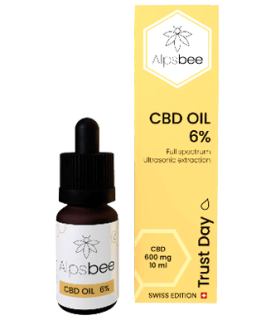
Alpsbee Trust CBD Oil 6% Full Spectrum Hemp Drops — 10 ml
CBD 600 mgTHC 0.1%
Trust CBD Oil 6% by Alpsbee is a full-spectrum CBD extract produced in Switzerland. At 6% CBD (600 mg), it is an entry-level formula, with less than 1% THC. Extraction uses ultrasound, which preserves CBN alongside CBD. The extract is then blended into MCT coconut oil. The hemp extract is lab tested, free from fungicides, herbicides, pesticides and solvent residues, additive-free, GMO-free and compliant on heavy metals.
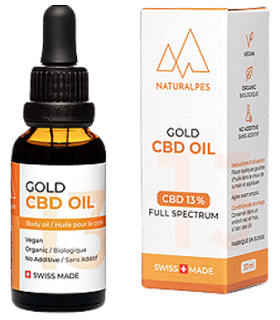
Naturalpes Gold CBD Oil 13% Full Spectrum Hemp Drops — 10 ml
CBD 1300 mgTHC 1.0%
Gold CBD Oil 13% by Naturalpes is a full-spectrum CBD extract made in Switzerland. As a balanced formula, it delivers 13% CBD (1300 mg), with less than 1% THC. The extract is drawn with supercritical CO₂ without solvents, keeping CBG, CBN and CBC alongside CBD. The carrier oil is hemp seed oil. The CBD drops are lab tested, free from fungicides, herbicides, pesticides and solvent residues, additive-free and GMO-free.
Alpsbee Nice Day CBD Oil 12% Full Spectrum Hemp Drops — 10 ml
CBD 1200 mgTHC 0.1%
Nice Day CBD Oil 12% by Alpsbee is a full-spectrum CBD extract made in Switzerland. As a balanced formula, it delivers 12% CBD (1200 mg), with less than 1% THC. The extract is drawn with ultrasound, keeping CBN and CBC alongside CBD. The carrier oil is MCT coconut oil. The CBD drops are lab tested, free from fungicides, herbicides, pesticides and solvent residues, additive-free, GMO-free and compliant on heavy metals.
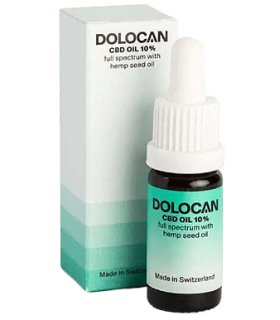
Dolocan CBD Oil 10% Full Spectrum Hemp Drops — 10 ml
CBD 1000 mgTHC 0.5%
With the CBD Oil 10%, Dolocan offers a full-spectrum CBD extract produced in Switzerland. Content sits at 10% CBD (1000 mg), with less than 1% THC. Supercritical CO₂ extraction without solvents retains CBG and CBC alongside CBD. The CBD drops are based on hemp seed oil. This Swiss oil is lab tested, free from fungicides, herbicides, pesticides and solvent residues, additive-free, GMO-free and compliant on heavy metals.
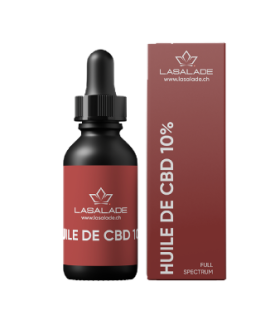
La Salade Natural CBD Oil 10% Full Spectrum Hemp Drops — 10 ml
CBD 1000 mgTHC 0.3%
Natural CBD Oil 10% by La Salade is a full-spectrum CBD extract made in Switzerland. As a balanced formula, it delivers 10% CBD (1000 mg), with less than 1% THC. The extract is drawn with supercritical CO₂ without solvents, keeping CBG and CBC alongside CBD. The carrier oil is MCT coconut oil. The CBD drops are lab tested, free from fungicides, herbicides, pesticides and solvent residues, additive-free, GMO-free and compliant on heavy metals.
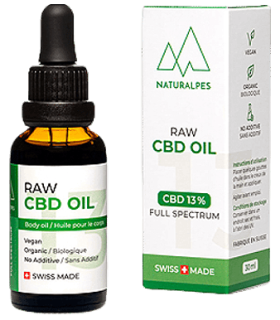
Naturalpes Raw CBD Oil 13% Full Spectrum Hemp Drops — 10 ml
CBD 1300 mgTHC 0.6%
Raw CBD Oil 13% by Naturalpes is a full-spectrum CBD extract produced in Switzerland. At 13% CBD (1300 mg), it is a balanced formula, with less than 1% THC. Extraction uses supercritical CO₂ without solvents, which preserves CBG and CBC alongside CBD. The extract is then blended into hemp seed oil. The hemp extract is lab tested, free from fungicides, herbicides, pesticides and solvent residues, additive-free and GMO-free.
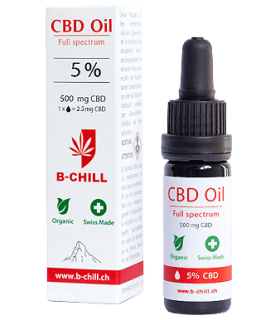
B-Chill CBD Oil 5% Full Spectrum Hemp Drops — 10 ml
CBD 500 mgTHC 0.1%
The CBD Oil 5% by B-Chill is a full-spectrum CBD extract made in Switzerland. As an entry-level formula, it delivers 5% CBD (500 mg), with less than 1% THC. The extract is drawn with supercritical CO₂ without solvents, keeping CBG and CBN alongside CBD. The carrier oil is MCT coconut oil. The CBD drops are lab tested, free from fungicides, herbicides, pesticides and solvent residues, additive-free, GMO-free and compliant on heavy metals.
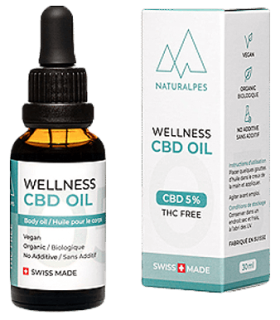
Naturalpes Wellness CBD Oil 5% THC-Free Broad Spectrum Hemp Drops — 10 ml
CBD 500 mg
With Wellness CBD Oil 5%, Naturalpes offers a broad-spectrum CBD extract produced in Switzerland. Content sits at 5% CBD (500 mg), in a THC-free formulation. Supercritical CO₂ extraction without solvents retains CBC alongside CBD. The CBD drops are based on hemp seed oil. This Swiss oil is made to ISO 9001, lab tested, free from fungicides, herbicides, pesticides and solvent residues, additive-free, GMO-free and compliant on heavy metals.
Why are mid-strength CBD oils (15%–25%) considered balanced?
Mid-strength oils are considered the sweet spot for most regular users. They strike an excellent balance between potency and ease of use, making them ideal for consistent, day-to-day support.
This range is especially suitable for four main profiles:
- Experienced users who have already tried CBD and know their ideal dosage
- Regular needs, where daily use is part of a routine
- Moderate discomfort, such as chronic issues or noticeable anxiety
- Users seeking balance, wanting effective results without going too high in dosage
These oils offer several key advantages:
- Proven effectiveness, with strong enough concentrations to deliver clear, lasting results
- Practical dosing, requiring fewer drops for your daily intake
- Versatility, allowing you to adjust use throughout the day
- Excellent value, as cost per dose is typically optimized in this range
Specific concentrations within this range:
CBD oils 15%
If you’re transitioning from lower strengths and want more sustained effects for daily use, a balanced option like the CBD oils 15% may offer just the right level of potency.
CBD oils 20%
When you need a stronger, more consistent impact in your day-to-day routine, products such as the CBD oils 20% deliver optimal strength without compromising usability.
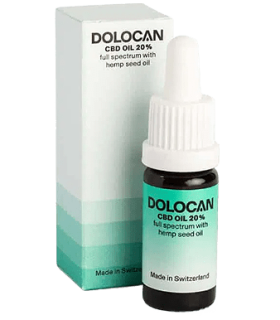
Dolocan CBD Oil 20% Full Spectrum Hemp Drops — 10 ml
CBD 2000 mgTHC 0.9%
The CBD Oil 20% by Dolocan is a full-spectrum CBD extract produced in Switzerland. At 20% CBD (2000 mg), it is a concentrated formula, with less than 1% THC. Extraction uses supercritical CO₂ without solvents, which preserves CBG and CBC alongside CBD. The extract is then blended into hemp seed oil. The hemp extract is lab tested, free from fungicides, herbicides, pesticides and solvent residues, additive-free and GMO-free.
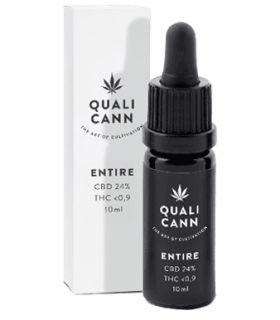
Qualicann Entire CBD Oil 24% Full Spectrum Hemp Drops — 10 ml
CBD 2400 mgTHC 0.6%
Entire CBD Oil 24% by Qualicann is a full-spectrum CBD extract made in Switzerland. As a concentrated formula, it delivers 24% CBD (2400 mg), with less than 1% THC. The extract is drawn with ethanol, keeping CBG, CBN and CBC alongside CBD. The carrier oil is hemp seed oil. The CBD drops are lab tested, free from fungicides, herbicides, pesticides and solvent residues and compliant on heavy metals.
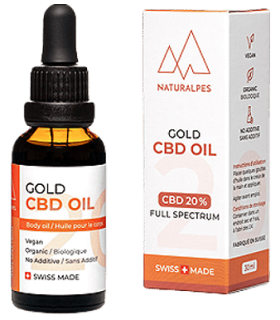
Naturalpes Gold CBD Oil 20% Full Spectrum Hemp Drops — 10 ml
CBD 2000 mgTHC 0.8%
With Gold CBD Oil 20%, Naturalpes offers a full-spectrum CBD extract produced in Switzerland. Content sits at 20% CBD (2000 mg), with less than 1% THC. Supercritical CO₂ extraction without solvents retains CBG, CBN and CBC alongside CBD. The CBD drops are based on hemp seed oil. This Swiss oil is made to ISO 9001, lab tested, free from fungicides, herbicides, pesticides and solvent residues, additive-free, GMO-free and compliant on heavy metals.
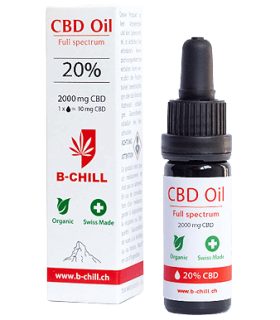
B-Chill CBD Oil 20% Full Spectrum Hemp Drops — 10 ml
CBD 2000 mgTHC 0.2%
With the CBD Oil 20%, B-Chill offers a full-spectrum CBD extract produced in Switzerland. Content sits at 20% CBD (2000 mg), with less than 1% THC. Supercritical CO₂ extraction without solvents retains CBG and CBC alongside CBD. The CBD drops are based on MCT coconut oil. This Swiss oil is lab tested, free from fungicides, herbicides, pesticides and solvent residues, additive-free, GMO-free and compliant on heavy metals.
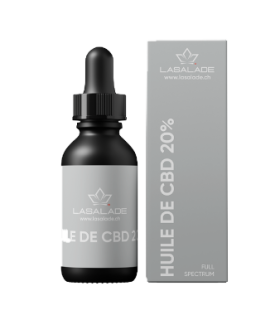
La Salade Natural CBD Oil 20% Full Spectrum Hemp Drops — 10 ml
CBD 2000 mgTHC 0.3%
With Natural CBD Oil 20%, La Salade offers a full-spectrum CBD extract produced in Switzerland. Content sits at 20% CBD (2000 mg), with less than 1% THC. Supercritical CO₂ extraction without solvents retains CBG, CBN and CBC alongside CBD. The CBD drops are based on MCT coconut oil. This Swiss oil is lab tested, free from fungicides, herbicides, pesticides and solvent residues, additive-free, GMO-free and compliant on heavy metals.
Herba di Berna CBD Oil 24% Full Spectrum Hemp Drops — 10 ml
CBD 2400 mgTHC 0.4%
With the CBD Oil 24%, Herba di Berna offers a full-spectrum CBD extract produced in Switzerland. Content sits at 24% CBD (2400 mg), with less than 1% THC. Supercritical CO₂ extraction without solvents retains CBG and CBC alongside CBD. The CBD drops are based on sunflower oil. This Swiss oil is lab tested, free from fungicides, herbicides, pesticides and solvent residues, additive-free, GMO-free and compliant on heavy metals.
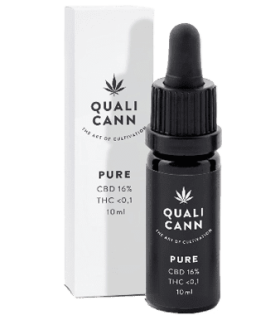
Qualicann Pure CBD Oil 16% THC-Free Broad Spectrum Hemp Drops — 10 ml
CBD 1600 mg
With the Pure CBD Oil 16%, Qualicann offers a broad-spectrum CBD extract produced in Switzerland. Content sits at 16% CBD (1600 mg), in a THC-free formulation. Supercritical CO₂ extraction without solvents starts the process. The CBD drops are based on hemp seed oil. This Swiss oil is lab tested, free from fungicides, herbicides, pesticides and solvent residues and compliant on heavy metals.
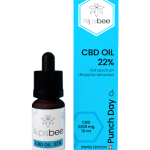
Alpsbee Punch Day CBD Oil 22% Full Spectrum Hemp Drops — 10 ml
CBD 2200 mgTHC 0.2%
With Punch Day CBD Oil 22%, Alpsbee offers a full-spectrum CBD extract produced in Switzerland. Content sits at 22% CBD (2200 mg), with less than 1% THC. Ultrasonic extraction retains CBG alongside CBD. The CBD drops are based on MCT coconut oil. This Swiss oil is lab tested, free from fungicides, herbicides, pesticides and solvent residues, additive-free, GMO-free and compliant on heavy metals.
How do you use high-strength CBD oils (30%–40%+) safely?
High-strength CBD oils are reserved for users with very specific needs and substantial experience. These powerful formulas require a cautious and informed approach to avoid excessive dosing or unwanted effects.
This range is recommended for four main profiles:
- Experienced users with several months of regular CBD use
- Intense needs, such as persistent discomfort or strong daily stress
- Long-term cost savings, since stronger oils require fewer drops
- High tolerance, especially in users who no longer respond to lower doses
Using these concentrations correctly means following strict precautions:
- Always start low, with one drop or less, and increase very gradually
- Carefully monitor how your body responds—be alert to signs of excessive dosage like drowsiness or nausea
- Consider seeking medical advice, especially if you’re using CBD for long-term or complex issues
- Remember that one drop of a 30–40% oil can contain 15 to 20 mg of CBD
Specific concentrations within this range: :
CBD oils 30%
Those looking for expert-level strength might consider options such as the CBD oils 30%, already very concentrated and designed for experienced routines.
CBD oils 40%
At the very top of the spectrum, CBD oils 40% represent the most potent formulas available on the market today—best used with precision and caution.
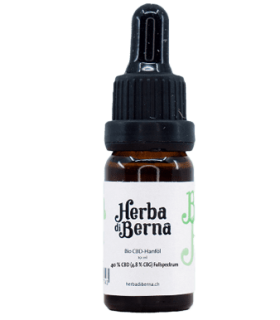
Herba di Berna CBD Oil 40% Full Spectrum Hemp Drops — 10 ml
CBD 4000 mgTHC 1.0%
The CBD Oil 40% by Herba di Berna is a full-spectrum CBD extract produced in Switzerland. At 40% CBD (4000 mg), it is an ultra-concentrated formula, with less than 1% THC. Extraction uses supercritical CO₂ without solvents, which preserves CBG, CBN and CBC alongside CBD. The extract is then blended into MCT coconut oil. The hemp extract is lab tested, free from fungicides, herbicides, pesticides and solvent residues, additive-free and GMO-free.
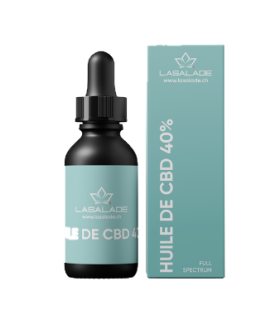
La Salade Natural CBD Oil 40% Full Spectrum Hemp Drops — 10 ml
CBD 4000 mgTHC 1.0%
Natural CBD Oil 40% by La Salade is a full-spectrum CBD extract made in Switzerland. As an ultra-concentrated formula, it delivers 40% CBD (4000 mg), with less than 1% THC. The extract is drawn with supercritical CO₂ without solvents, keeping CBG, CBN and CBC alongside CBD. The carrier oil is MCT coconut oil. The CBD drops are lab tested, free from fungicides, herbicides, pesticides and solvent residues, additive-free and GMO-free.
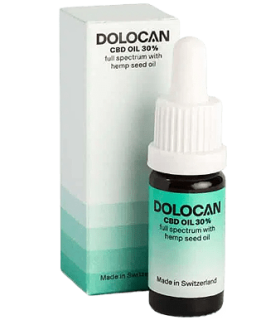
Dolocan CBD Oil 30% Full Spectrum Hemp Drops — 10 ml
CBD 3000 mgTHC 0.8%
The CBD Oil 30% by Dolocan is a full-spectrum CBD extract made in Switzerland. As a high-concentration formula, it delivers 30% CBD (3000 mg), with less than 1% THC. The extract is drawn with supercritical CO₂ without solvents, keeping CBG and CBC alongside CBD. The carrier oil is hemp seed oil. The CBD drops are lab tested, free from fungicides, herbicides, pesticides and solvent residues, additive-free, GMO-free and compliant on heavy metals.
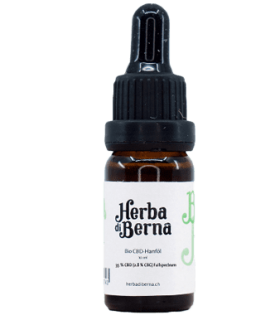
Herba di Berna CBD Oil 35% Full Spectrum Hemp Drops — 10 ml
CBD 3500 mgTHC 1.0%
With the CBD Oil 35%, Herba di Berna offers a full-spectrum CBD extract produced in Switzerland. Content sits at 35% CBD (3500 mg), with less than 1% THC. Supercritical CO₂ extraction without solvents retains CBG, CBN and CBC alongside CBD. The CBD drops are based on MCT coconut oil. This Swiss oil is lab tested, free from fungicides, herbicides, pesticides and solvent residues, additive-free, GMO-free and compliant on heavy metals.
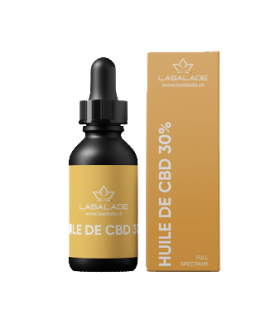
La Salade Natural CBD Oil 30% Full Spectrum Hemp Drops — 10 ml
CBD 3000 mgTHC 0.8%
Natural CBD Oil 30% by La Salade is a full-spectrum CBD extract produced in Switzerland. At 30% CBD (3000 mg), it is a high-concentration formula, with less than 1% THC. Extraction uses supercritical CO₂ without solvents, which preserves CBG, CBN and CBC alongside CBD. The extract is then blended into MCT coconut oil. The hemp extract is lab tested, free from fungicides, herbicides, pesticides and solvent residues, additive-free and GMO-free.
How do you find the optimal CBD oil strength for your needs?
The ideal CBD oil strength depends first and foremost on how you plan to use it. Whether your goal is to manage daily stress, improve sleep, ease joint discomfort, or support more specific conditions like fibromyalgia or menopause, each purpose calls for a different concentration range.
Each use case is linked to a specific strength level. For everyday stress and anxiety, low to mid-strength oils (5%–20%) are usually sufficient. Sleep improvement and insomnia often respond best to mid-range oils (10%–25%), while joint discomfort, arthritis, or more complex needs such as fibromyalgia may require higher-strength oils (20%–40%).
Your body weight, metabolism, and personal sensitivity also impact how much CBD you need. Some people notice results with 5–10 mg, while others may need 20–30 mg to feel the same effects. This variability is why a personalised approach is so important when choosing your oil.
When it comes to pets, the requirements are completely different. They call for much lower concentrations and specialised formulas developed just for them.
Which CBD oil strength helps with stress and anxiety?
For everyday stress and emotional tension, CBD is increasingly used as a natural support tool. To better understand how it works in these contexts, you can refer to our article on CBD products for stress and anxiety attacks, which explains the mechanisms involved.
Here are a few guidelines to help you choose the right concentration:
💡 Recommandations :
🟢 If you’re just starting out → 5–15% oils are ideal for a gentle, progressive approach
🟡 If your anxiety is more intense → 15–20% concentrations tend to be more appropriate
🔵 If you’re aiming for long-term balance → consistent use of a moderate-strength oil may offer the best support
What CBD strength promotes better sleep and fights insomnia?
Sleep disorders are among the most common reasons people turn to CBD. Its relaxing properties make it a natural ally for improving sleep quality and falling asleep more easily. For more details on how cannabidiol may help, consult our dedicated guide on using CBD for deeper sleep.
Here’s how to choose the right concentration based on your sleep issues:
💡 Recommandations :
🟢 If you occasionally have trouble falling asleep → 10–15% oils are often sufficient
🟡 If your sleep disturbances are more severe → 20–30% strengths are better suited for long-lasting effects
🔵 If you want to optimise results → take your CBD oil 30 to 60 minutes before bedtime
Which CBD concentration relieves arthritis and joint pain?
Joint discomfort often requires mid to high CBD concentrations to achieve noticeable results. The type of oil you choose will depend on the intensity of your symptoms and your prior experience with CBD. For more insights on how CBD interacts with joint mobility, explore our article on CBD for joint pain and arthritis relief.
Here’s how to navigate the available strengths:
💡 Recommandations :
🟢 If your joint discomfort is moderate → consider starting with a 15–25% oil
🟡 If your symptoms are more intense → 25–40% strengths may be more suitable, with a cautious approach
🔵 If you use high-strength oils → medical supervision is strongly recommended for regular use
What CBD content supports fibromyalgia?
Fibromyalgia often calls for a very personalised approach and should always involve proper medical supervision. Due to the systemic nature of its symptoms, higher-strength CBD oils (25% to 40%) are often considered. However, they must always be used thoughtfully and never as a substitute for professional care.
Here are the typical guidelines to keep in mind:
💡 Recommandations :
🟢 If you live with fibromyalgia → high-strength oils (25–40%) are often needed to match systemic needs
🟡 If you’re just starting out → a personalised, gradual approach is essential to assess your tolerance
🔵 If you’re considering oils in the 25–40% range → strict medical monitoring is absolutely necessary
What CBD strength is suitable for menopause symptoms?
Menopause-related discomforts often respond well to medium-strength CBD oils ranging from 10% to 20%. Regular use of a balanced formula tends to provide the best support, especially when combined with healthy habits and appropriate medical guidance.
Here’s how to navigate this stage with CBD:
💡 Recommandations :
🟢 If you’re going through menopause → oils between 10% and 20% are generally effective
🟡 If you’re aiming for optimal results → consistent, daily use of a moderate-strength oil is recommended
🔵 If you’re just beginning this journey → a consultation with your gynaecologist is advised before starting
What CBD percentage is ideal for your pet?
Animals have a very different metabolism from humans and therefore require much lower CBD concentrations, usually between 2% and 5%. Choosing a product specially formulated for pets is essential to ensure safe use. Our selection of CBD oil for your dog or cat includes gentle formulations tailored to their specific needs.
A typical starting dosage is around 0.5 to 1 mg of CBD per kilogram of body weight. However, consulting a veterinarian is always required before introducing CBD into your pet’s routine, regardless of the concentration.
How do you calculate the number of drops based on CBD oil strength?
Knowing how to calculate the number of drops based on your oil’s strength helps you optimise both your routine and your budget. A precise CBD dosage is essential to achieve the desired effects without overuse or waste.
Use this simple formula:
Number of drops = Desired dose (mg) ÷ CBD content per drop (mg)
Example: If you want 20 mg of CBD using a 10% oil (which delivers about 5 mg per drop), you’ll need 4 drops (20 ÷ 5 = 4).
You can also refer to standard CBD dosage charts to see how many drops are needed depending on the concentration—whether it’s 5%, 10%, 15%, 20%, or higher.
What are the dosage tables for 5%, 10%, 15%, 20%, 30%, and 40% CBD oils?
NUMBER OF CBD OIL DROPS BY CONCENTRATION
| CBD oil concentration | CBD per drop (mg) | 10 mg of CBD | 20 mg of CBD | 30 mg of CBD | 40 mg of CBD |
|---|---|---|---|---|---|
| CBD oil 5% | 2.5 mg | 4 drops | 8 drops | 12 drops | 16 drops |
| CBD oil 10% | 5 mg | 2 drops | 4 drops | 6 drops | 8 drops |
| CBD oil 15% | 7.5 mg | 2 drops | 3 drops | 4 drops | 6 drops |
| CBD oil 20% | 10 mg | 1 drop | 2 drops | 3 drops | 4 drops |
| CBD oil 30% | 15 mg | 1 drop | 1 drop | 2 drops | 3 drops |
| CBD oil 40% | 20 mg | 1 drop | 1 drop | 1 drop | 2 drops |
How do you adjust your CBD dosage based on body weight and tolerance?
As a general rule, it’s recommended to start with 0.5 to 1 mg of CBD per kilogram of body weight. However, your actual needs may vary depending on several personal factors, including your body composition, symptom intensity, and natural sensitivity to cannabinoids.
While your weight provides a useful starting point, the severity of your symptoms, your tolerance, and your past experience with CBD will directly influence the right dosage.
Some people feel results with as little as 5 mg of CBD, while others may need 30–50 mg for the same effect. That’s why a personalised adjustment is crucial.
You’ll typically find dosage tables that cross-reference your weight with your intended effect level to determine a recommended starting dose.
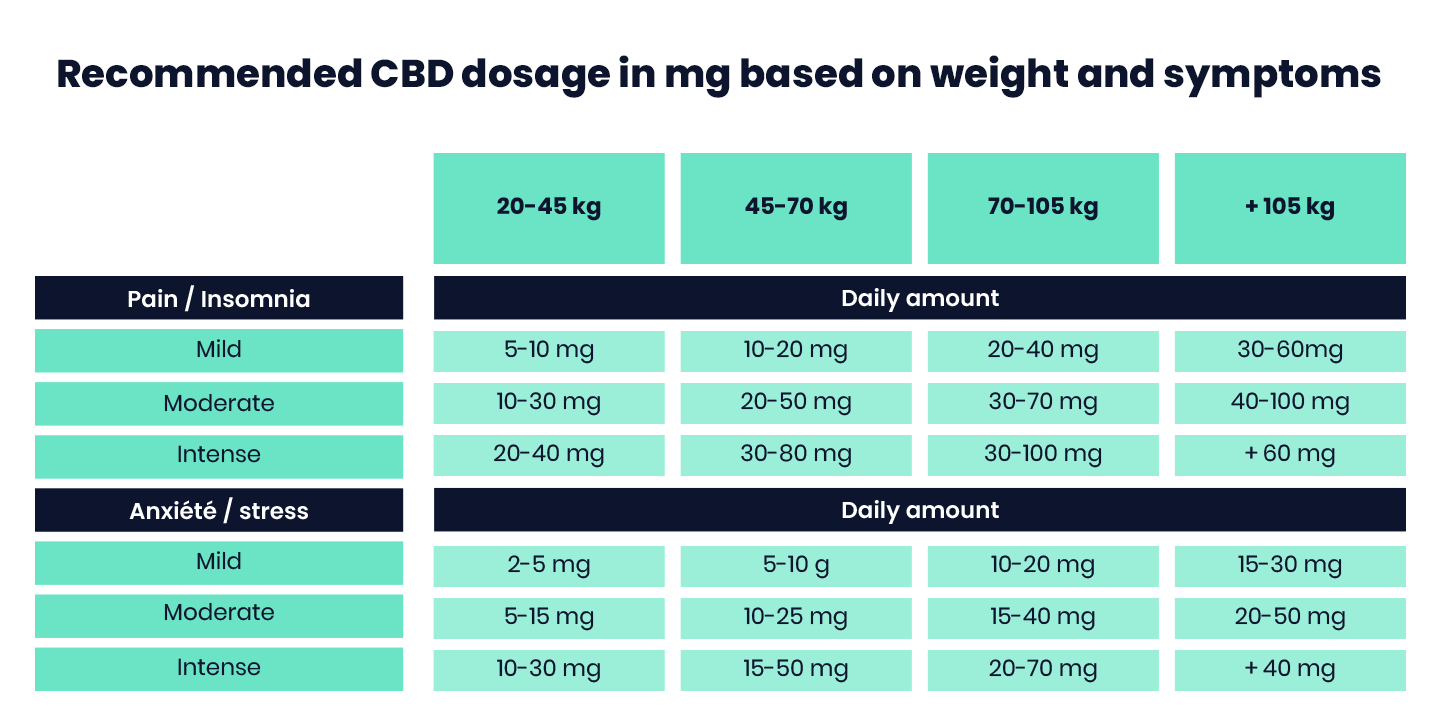
Always begin with the lowest effective dose and increase gradually every 3 to 4 days. Individual tolerance varies significantly based on your metabolism, sensitivity, and how often you use CBD.
Can you overdose on CBD? At what mg is it risky?
CBD is widely recognised for having a very favourable safety profile, even at high doses. However, high-strength oils should always be used with caution to avoid an unintended CBD overdose.
Unlike many substances, CBD is non-addictive and generally well tolerated by the body. That said, excessive intake can lead to temporary side effects, such as:
- Drowsiness
- Dry mouth
- Mild nausea
These symptoms typically fade within a few hours and require no specific intervention.
With concentrations of 30% to 40%, a single drop can deliver 15 to 20 mg of CBD. It’s best to start with half a drop and wait about two hours before evaluating the effects. If needed, you can gradually adjust.
The main risk with higher doses isn’t toxicity? it’s discomfort caused by poor dosing. That’s why a gradual, mindful approach remains key to a safe and positive CBD experience.
Why do quality, safety, and legality matter more than just strength?
Choosing the right CBD oil isn’t just about strength. Quality control, legal compliance, and safe usage practices are just as important—if not more. Knowing how to take CBD oil safely means checking for proper extraction methods, lab testing, and regulatory compliance.
The percentage on the label is only meaningful if it reflects reality. A 20% oil that hasn’t been tested might actually contain 15% or even 25%—throwing off your dosage and expectations.
To ensure consistent results and avoid potential risks, it’s essential to look beyond the numbers. Focus on the origin of the hemp, lab test availability, and the reputation of the brand.
At uWeed, we apply strict criteria to every product, so you can shop with complete confidence—knowing exactly what you’re getting in each drop.
How do lab tests and certificates of analysis ensure accurate CBD strength?
A certificate of analysis (COA) is the only way to guarantee the real CBD content of your oil. Without it, the strength printed on the label might be misleading—either overestimated or underestimated.
Reliable laboratory testing must include:
- A full cannabinoid profile (CBD, THC, etc.)
- Purity tests (pesticides, heavy metals, solvents)
- Microbiological controls (bacteria, fungi)
- A recent testing date (ideally less than 6 months old)
These documents should always be available, transparent, and issued by independent, ISO-certified labs. If no COA is provided, the product should not be trusted.
What THC content is allowed in CBD oils in Switzerland and the EU?
The legal limit for THC content in CBD oils varies depending on the country. In Switzerland, regulations are more flexible: CBD oils with less than 1% THC are legal in Switzerland, offering consumers a wider choice of full-spectrum products.
In contrast, the European Union typically sets the limit at 0.2% THC, while France allows up to 0.3% since recent regulatory updates.
This difference in legal thresholds means that certain oils available in Switzerland might not be compliant elsewhere. Always check the THC content and local regulations before purchasing, especially if you plan to travel or order from another country.
How do you store your CBD oil correctly to maintain its strength?
Proper storage is essential to preserve your oil’s potency and ensure stable results over time. Factors like light, heat, air, and humidity can all degrade the cannabinoids in your bottle.
When storing your CBD oil, keep it in a cool (15–20 °C), dry, and dark place—away from direct sunlight and heat sources. The refrigerator is a safe and convenient option.
When well stored, CBD oils typically maintain their concentration and quality for 12 to 18 months after opening. Always close the bottle tightly and check for changes in smell, color, or consistency before use.
Where can you find CBD oil with verified strength in Switzerland?
In Switzerland, several options are available when looking for high-quality CBD oil. You’ll find products in pharmacies (with limited selection but professional guidance), physical CBD shops (where you can often test products), and certified online retailers.
No matter where you choose to shop, always make sure the brand provides certificates of analysis, clear information about hemp origin, and full compliance with Swiss legal standards.
At uWeed’s online CBD shop, we uphold some of the strictest quality criteria in the industry:
- Full transparency with COAs available for every product
- ISO 17025-certified lab testing
- Maximum 1% THC to meet Swiss legal limits
- Expert support and personalised recommendations
With uWeed, every CBD oil you buy has been verified by independent Swiss laboratories, so you can be confident in both the strength and the safety of your purchase.