Cannabidiol (CBD) is experiencing growing popularity in Switzerland, where more than 250,000 people regularly use CBD products according to Swissmedic (2023). Despite its generally favorable safety profile, CBD presents specific contraindications requiring mandatory medical consultation in certain situations.
A contraindication refers to a medical situation where the use of an active substance could present potential risks greater than the expected benefits. For CBD, these situations primarily concern drug interactions and certain vulnerable populations.
CBD drug interactions constitute the main concern, as cannabidiol inhibits hepatic enzymes responsible for metabolizing numerous treatments. This medication interaction can modify the effectiveness of anticoagulants, antidepressants, and cardiac or epileptic medications, requiring close medical supervision and professional guidance.
Certain at-risk populations require special precautions and expert evaluation: pregnant and breastfeeding women, children, elderly individuals on multiple medications. Medical conditions such as liver failure, psychiatric disorders under psychotropic treatment, or epilepsy under anticonvulsants require professional supervision and clinical assessment.
An individual benefit-risk assessment and appropriate CBD dosage under prior medical advice enable safe CBD usage. This guide details the safety protocols recommended by Swiss authorities to minimize risks while optimizing therapeutic benefits through evidence-based approaches.
⚠️ Warning: CBD products are not medications and do not replace medical treatment under any circumstances. The information detailed in this article does not constitute medical advice and cannot be used to diagnose, treat, or cure any disease. Always consult your doctor or healthcare professional before using CBD, especially if you take other medications. Furthermore, CBD products (including oils) sold by uWeed in Switzerland are not intended for ingestion: take time to read the package instructions and respect the warnings provided.
What Are CBD Contraindications?
A medical contraindication to CBD represents a situation where the use of this active substance could present potential risks greater than the expected benefits for your health. This scientific definition is based on the analysis of CBD risks and side effects documented by research.
Cannabidiol acts by modulating hepatic enzymes of the cytochrome P450 system, responsible for metabolizing numerous medications. This drug interaction can modify the effectiveness of your treatments, creating potential adverse effects.
According to Iffland & Grotenhermen (2017) in Cannabis and Cannabinoid Research, CBD contraindications are classified into two categories:
- Absolute contraindications: situations where CBD is formally discouraged
- Relative contraindications: cases requiring close medical supervision
This distinction guides healthcare professionals in determining when medical consultation becomes essential for your safe CBD use.
Does CBD Really Have Side Effects?
Yes, CBD presents contraindications documented by several major scientific studies. The globally favorable safety profile of CBD was established by the reference study of Iffland & Grotenhermen (2017) in Cannabis and Cannabinoid Research, which analyzes more than 130 scientific publications on cannabidiol safety.
Simultaneously, drug interactions are documented by Grayson et al. (2018) in Clinical Pharmacokinetics in their study “An interaction between warfarin and cannabidiol,” which demonstrates inhibition of hepatic CYP450 enzymes. The World Health Organization (2018) also confirms these interaction mechanisms in its official expert report.
A recent meta-analysis by Chesney et al. (2020) in Epileptic Disorders titled “Adverse effects of cannabidiol: a systematic review and meta-analysis of randomized clinical trials” documents these CBD interactions in 2% to 8% of patients depending on associated treatments, analyzing 25 randomized clinical trials.
Continuous medical monitoring in Switzerland, coordinated by Swissmedic, reports cases of CBD drug interactions primarily with anticoagulants and certain antiepileptics. These safety data underscore the importance of mandatory medical consultation to avoid any adverse effects.
This convergence of scientific studies justifies Swiss medical recommendations for individual assessment, particularly for vulnerable populations under chronic treatment.
Is CBD Safer Than THC?
The pharmacological profile of these cannabinoids reveals distinct contraindications. CBD does not directly activate CB1 cannabinoid receptors, avoiding THC’s psychoactivity.
This metabolic difference generates specific potential risks: THC presents direct cardiovascular and psychiatric risks, while CBD acts via hepatic enzyme inhibition, primarily creating CBD drug interactions. The effects of CBD and THC are different, influencing their respective contraindication profiles.
A study by MacCallum & Russo (2018) in European Journal of Internal Medicine confirms that CBD interactions concern medications metabolized by the liver, while THC interactions affect neurological and cardiac functions.
In Switzerland, this distinction influences medical recommendations: CBD requires medical monitoring of drug interactions, while medical THC requires more comprehensive clinical monitoring including cognitive functions.
Why Does Natural CBD Have Side Effects?
The natural character of CBD does not guarantee the absence of molecular interactions with your body. As a powerful bioactive compound, cannabidiol necessarily acts on your enzymatic systems, influencing the bioavailability of other substances.
This pharmacological reality is observed with numerous natural products. Grapefruit, for example, inhibits the same CYP3A4 enzymes as CBD, creating similar interactions. St. John’s wort, a recognized medicinal plant, also presents documented contraindications with more than 300 medications.
The physiological effect of a substance depends on its molecular structure and concentration, not on its origin. CBD, with its variable bioavailability according to individuals, can create significant interactions in certain sensitive people.
In Switzerland, this scientific approach guides Swissmedic recommendations, which treat CBD like any other bioactive compound requiring appropriate medical evaluation.
Who Should Avoid Taking CBD?
Certain vulnerable populations present absolute contraindications to CBD or require close medical supervision. These restrictions are based on documented scientific data concerning specific potential risks for each group.
The three main populations concerned:
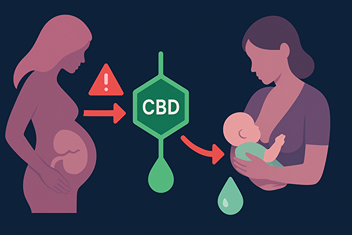
Pregnant & breastfeeding women
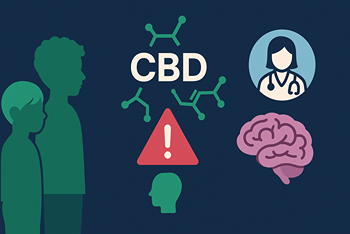
Children and adolescents
Elderly with polypharmacy
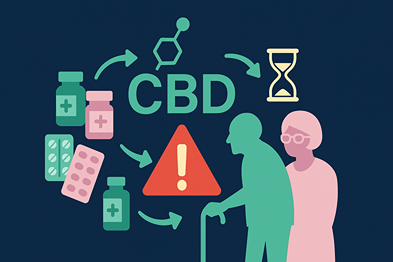
Risk of placental passage and presence in breast milk
Ongoing neurological development requiring specialized pediatric consultation
Slowed metabolism and complex drug interactions
These at-risk populations require individual benefit-risk assessment by a qualified healthcare professional. The Swiss Federal Office of Public Health, in its “Recommendations on cannabidiol use in Switzerland” (January 2023), recommends systematic mandatory medical consultation for these groups.
Safety takes priority over all other considerations – no CBD use should begin without prior medical advice for these vulnerable populations requiring special precautions. The following sections detail specific precautions for each group.
🛡️ Absolute Contraindications — Populations to Protect
🤰 Pregnant or breastfeeding women: CBD is discouraged without medical supervision, as it may expose the fetus or infant.
🧒 Children and adolescents (under 18): their nervous system is still developing; CBD use is only possible with specialized pediatric prescription.
👴👵 Seniors on multiple medications: the risk of interactions with their treatments is high; geriatric advice is essential before any use.
⚠️ Before using CBD, always seek advice from a qualified healthcare professional.
Is CBD Safe During Pregnancy?
CBD presents a strong relative contraindication during pregnancy due to concerns about fetal development. Animal studies suggest possible placental passage of cannabidiol, raising safety questions for embryonic development.
Research by Correa et al. (2019) in Frontiers in Pharmacology titled “Maternal cannabidiol exposure during gestation and lactation induces sex-specific changes in anxiety and cognition” documents behavioral modifications in animal offspring exposed to CBD during pregnancy.
The absence of robust safety data in pregnant women justifies the precautionary principle adopted by Swiss authorities. Swissmedic recommends avoiding any CBD use during pregnancy.
Non-pharmacological alternatives for managing pregnancy symptoms (nausea, anxiety, sleep disorders) constitute the preferred approach. Your gynecological consultation allows exploring these safe options.
Reinforced obstetric monitoring becomes essential if accidental exposure occurs, allowing appropriate monitoring of fetal development.
Can I Take CBD While Breastfeeding?
CBD also presents concerns during breastfeeding due to its potential passage into breast milk. Detection studies reveal the presence of cannabinoids in breast milk, exposing the infant to variable concentrations depending on maternal metabolism.
The ongoing neurological development in infants justifies this precaution. Swiss recommendations advocate avoiding CBD throughout the exclusive breastfeeding period.
Lactation or pediatric consultation becomes necessary if you consider CBD use while breastfeeding, allowing evaluation of available alternatives.
Is CBD Safe for Children?
The use of cannabidiol in the pediatric population requires clear distinction as CBD requires specialized medical supervision for children. This vulnerable population necessitates strict special precautions.
Only Epidiolex, a pharmaceutical medication approved for certain resistant epilepsies, can be used under close medical supervision. Self-medication with commercial products presents significant potential risks during neurological development, as CBD is not intended for children in the context of unsupervised use.
A study by Devinsky et al. (2018) in The New England Journal of Medicine confirms the efficacy of medical CBD in epilepsy, but only with appropriate dosage and continuous medical supervision.
Parental authorization alone never suffices – mandatory medical consultation by a specialized pediatrician becomes essential. Swiss legal framework requires this professional supervision for any CBD use in children.
Is CBD Safe for Elderly People?
Elderly individuals present specific challenges related to geriatric polypharmacy and age-related metabolic modifications. Slowed metabolism of hepatic enzymes increases drug interaction risks and prolongs CBD’s duration of action.
The frequent polypathology in this population complicates geriatric evaluation. Potential interactions with cardiovascular, neurological, and psychiatric treatments require complete drug analysis.
Research by Finn et al. (2021) in Journal of the American Geriatrics Society titled “Cannabis use among older adults: patterns, associated characteristics, and perceived benefits” emphasizes the importance of dosage adjustments in seniors.
Family caregivers play a crucial role in gerontological monitoring, helping detect behavioral changes or adverse effects. Collaboration with the attending physician or geriatrician optimizes safety.
What Medical Conditions Should Avoid CBD?
Certain medical conditions require particularly rigorous medical evaluation before any CBD use. These pre-existing pathologies can create complex therapeutic interactions, justifying close medical supervision.
The four main risk domains:
- Cardiovascular diseases – interactions with anticoagulants and cardiac medications
- Hepatic pathologies – modification of CBD metabolism and other treatments
- Psychiatric disorders – interactions with psychotropics and antidepressants
- Epilepsy – necessary adjustments with anticonvulsants
These medical conditions justify a relative contraindication according to Swissmedic (2023), requiring specialized medical consultation to individually assess the benefit-risk ratio. Each pathology presents specific precautions detailed below.
Is CBD Safe With Heart Problems?
Cardiovascular pathologies require particular caution with CBD due to numerous potential cardiac interactions. Cardiac patients frequently take medications metabolized by the same hepatic enzymes as cannabidiol.
The interaction with anticoagulants, particularly warfarin, constitutes the primary concern. CBD can modify blood concentrations of these medications, increasing hemorrhagic risks. ECG monitoring and regular biological controls become essential.
The effects on blood pressure remain debated. Some studies suggest slight transient hypotension, concerning for patients under antihypertensives. Research by Jadoon et al. (2017) in JCI Insight titled “A single dose of cannabidiol reduces blood pressure in healthy volunteers in a randomized crossover study” documents this effect.
Prior cardiological consultation allows evaluating your current treatments and establishing an appropriate monitoring protocol. Your cardiologist can adjust your medications if necessary and schedule reinforced controls.

Can I Take CBD With Liver Disease?
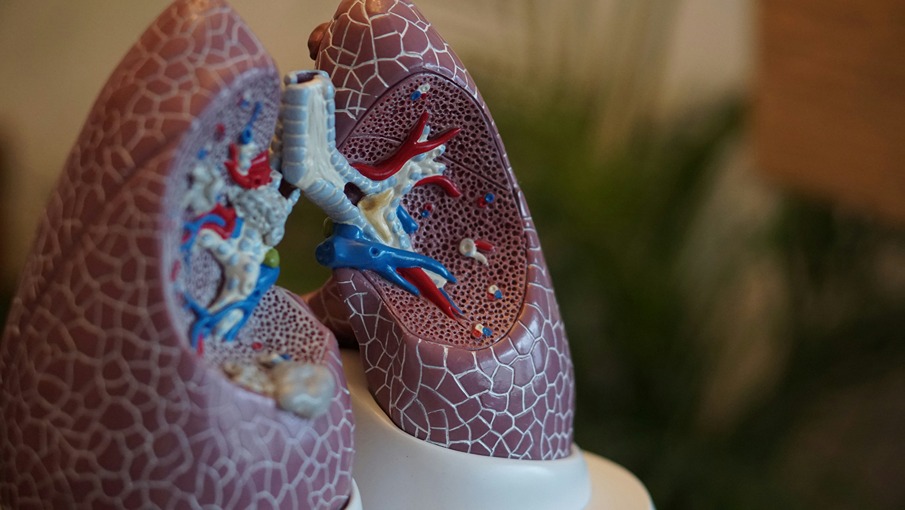
Hepatic pathologies create significant metabolic challenges for CBD use. The liver being the main organ for hepatic metabolism of cannabidiol, any alteration in its function modifies the substance’s pharmacokinetics.
Liver failure slows CYP enzyme activity, prolonging CBD’s half-life and increasing blood concentrations. This modification can intensify effects and prolong duration of action unpredictably.
Regular biological monitoring becomes crucial, including transaminases, bilirubin, and hepatic function markers. Interactions with your other medications may also be amplified.
Consultation with a hepatologist or gastroenterologist allows evaluating the severity of your hepatic pathology and determining if CBD use presents acceptable risks with appropriate monitoring.
Is CBD Safe for Epilepsy Patients?

Epilepsy presents a paradoxical situation: medical CBD (Epidiolex) is approved for certain forms of resistant epilepsy, but self-medication with commercial products remains risky. Epileptic patients under anticonvulsants require strict neurological monitoring.
Interactions with anticonvulsants can modify blood levels of your medications, risking triggering seizures or creating toxicity. CBD can inhibit metabolism of carbamazepine, phenytoin, and valproate.
A clear distinction exists between standardized pharmaceutical CBD and variable commercial products. Dosage adjustment of your anticonvulsants often becomes necessary with regular EEG monitoring.
Prior neurological consultation is essential. Your epileptologist neurologist can evaluate if CBD presents interest in your particular case and establish an appropriate monitoring protocol.
Is CBD Safe With Mental Health Conditions?

Psychiatric disorders under psychotropics create complex psychopharmacological interactions requiring specialized psychiatric monitoring. CBD can modify metabolism of antidepressants, antipsychotics, and anxiolytics.
The effects on the serotonergic system remain debated. Some studies suggest CBD could modulate serotonergic transmission, potentially interfering with your SSRI or SNRI antidepressants.
The risk of interactions with benzodiazepines raises safety questions, particularly concerning excessive sedation. Bipolar patients under lithium present specific concerns related to renal metabolism.
Prior psychiatric consultation allows evaluating your current treatments and clinical state. Your psychiatrist can determine if CBD introduction requires therapeutic adjustments and establish an appropriate monitoring plan.
What Medications Should Not Be Taken With CBD?
CBD can modify the effectiveness of numerous medications by inhibiting hepatic enzymes responsible for their metabolism. Understanding CBD drug interactions becomes essential to avoid any adverse effects or modification of your treatment effectiveness.
Cannabidiol particularly inhibits CYP3A4 and CYP2D6 enzymes, which metabolize more than 60% of prescribed medications. Drug interactions with CBD can increase or decrease blood concentrations, requiring dosage adjustments under medical supervision.
Medications with narrow therapeutic margins present the highest potential risks: anticoagulants, anticonvulsants, immunosuppressants, and certain cardiac medications. Prior medical consultation allows identifying possible interactions and establishing an appropriate safety protocol.
CBD Drug Interactions: Risks and Monitoring
| Medication Class | Risk Level | Required Monitoring |
|---|---|---|
| Anticoagulants | High | Weekly INR |
| Anticonvulsants | High | Plasma levels |
| Antidepressants | Moderate | Clinical + biological |
| Benzodiazepines | Moderate | Sedation monitoring |
| Antihypertensives | Low-Moderate | Blood pressure |
This personalized medical monitoring, coordinated by your doctor or pharmacist, ensures safe CBD use with your existing treatments.
How Does CBD Affect Liver Enzymes?
CBD acts as an enzymatic inhibitor of the main hepatic CYP450 enzymes, creating potential drug interactions. Without appropriate medical monitoring, CBD can be dangerous for the liver and modify the effectiveness of your other treatments by disrupting their metabolism.
This interaction functions like a traffic jam: when your liver processes CBD, it has less capacity to metabolize your usual medications. This competition for the same degradation pathways can increase their blood concentration, creating unpredictable adverse effects.
The pharmacokinetics of CBD varies according to individuals. Some people metabolize more rapidly, reducing potential risks, while others present slower metabolism increasing chances of interactions.
This individual variability explains why medical consultation and personalized hepatic analyses become essential. Your doctor can prescribe enzymatic dosages to evaluate your metabolic capacity and establish a safety protocol adapted to your medical profile.
Does CBD Interact With Blood Thinners?
The interaction between CBD and anticoagulants represents one of the major concerns in pharmacovigilance. Cannabidiol can significantly modify warfarin metabolism, increasing blood concentrations and prolonging the anticoagulant effect.
This warfarin-CBD interaction can double or triple the INR (International Normalized Ratio), creating a serious hemorrhagic risk. Several clinical cases document severe bleeding requiring hospitalization and transfusions.
INR monitoring must be intensified to a weekly rhythm at the beginning, then adapted according to evolution. Your doctor may require warfarin dosage adjustment, often a 25 to 50% dose reduction.
Coagulation monitoring also includes clinical surveillance of hemorrhagic signs: unusual bruising, prolonged gingival bleeding, or black stools. Any abnormality requires immediate medical consultation.
Can I Take CBD With Antidepressants?
The association of CBD and antidepressants requires close medical supervision due to possible complex drug interactions. CBD can modify the metabolism of SSRIs and SNRIs, potentially affecting their therapeutic effectiveness and creating unpredictable adverse effects.
The main identified risks:
- Effectiveness modification: CBD can amplify or reduce the action of your antidepressants
- Serotonergic effects: Possible interaction with brain transmission
- New symptoms: Excessive drowsiness, appetite or mood modifications
Medical consultation with your psychiatrist becomes essential before any association. Clinical monitoring includes surveillance of your depressive symptoms, mood, and any potential adverse effects.
Your healthcare professional may require personalized therapeutic adjustment of your medications to maintain your clinical stability. This continuous medical supervision ensures safe use by always prioritizing your psychiatric well-being.
Does CBD Interact With Heart Medications?
Cardiac medications present variable cardiovascular interactions with CBD. Beta-blockers, ACE inhibitors, and diuretics may see their metabolism modified by cannabidiol’s enzymatic inhibition.
Cardiological monitoring must include regular ECG and blood pressure monitoring. Some patients report modifications in heart rate or blood pressure when introducing CBD.
Interactions with antiarrhythmics like amiodarone require particular attention due to their narrow therapeutic margin. Your cardiologist may schedule more frequent electrocardiographic controls.
Prior cardiological consultation allows evaluating your risk profile and adapting monitoring. Some dosage adjustments may prove necessary to maintain optimal cardiovascular balance.
Does CBD Interact With Sleeping Pills?
The association of CBD with sleeping pills can create problematic sedative potentiation, particularly with benzodiazepines and Z-hypnotics (zolpidem, zopiclone). This interaction increases the risk of excessive drowsiness and cognitive disorders.
The cumulative sedative effect can compromise your daytime vigilance and increase fall risks, particularly concerning in elderly individuals. Automobile driving becomes dangerous with this association.
Sleep monitoring must evaluate not only the quality of your nocturnal rest, but also your daytime vigilance. A sleep diary allows documenting modifications and adapting treatments.
Hypnotic adjustment under medical supervision may allow reducing their doses while maintaining effectiveness. Your sleep doctor will evaluate the opportunity of this approach according to your individual profile.
How to Use CBD Safely With Health Conditions?
Safe CBD use despite contraindications relies on three essential pillars: mandatory medical consultation, continuous medical supervision, and personalized dosage adjustment. This medicalized approach optimizes benefits while minimizing potential risks.
The CBD safety protocol begins with an individualized benefit-risk assessment with your doctor. This analysis determines if CBD use presents interest in your particular case and establishes necessary professional supervision modalities.
Swiss medical recommendations favor this supervised approach, particularly for vulnerable populations or polymedicated patients where CBD drug interactions require specialized expertise.
Before beginning CBD use under medical supervision, three steps are essential:
Complete medical assessment – Gather the list of your current medications, medical conditions, known allergies, and request recent hepatic and renal evaluations.
Risk evaluation – Your doctor will analyze potential drug interactions, determine if you belong to a vulnerable population, and evaluate your capacity to benefit from close medical supervision.
Personalized follow-up plan – Together, you will establish control frequency, necessary biological examinations, warning signs to monitor, and clear emergency procedures.
Should I See a Doctor Before Taking CBD?
Mandatory medical consultation constitutes the fundamental recommendation in case of potential contraindications. This prior benefit-risk assessment protects you against risks of drug interactions or complications.
Swiss medical recommendations, established by Swissmedic, emphasize the importance of this professional supervision to avoid complications related to unsupervised self-medication.
💡 To find a competent professional: Consult the FMH physician directory or contact your attending physician who can orient you toward a specialist if necessary.
What CBD Dosage Is Safe With Health Conditions?
Therapeutic dosage in the presence of contraindications must be determined exclusively by a healthcare professional for safe CBD dosing according to individualized posology. No general recommendation can apply to risk situations requiring professional supervision.
Progressive titration generally follows the medical principle “start low, go slow,” but precise parameters (initial dose, increase stages, target dose) require prescription adapted to your profile. This personalized therapeutic adjustment guarantees safe CBD use, and for a safe CBD dosage, professional guidance remains essential.
Close medical supervision includes effectiveness evaluation, detection of potential adverse effects, and clinical monitoring of interactions. The CBD safety protocol requires that your doctor remains the sole reference for any dosage modification.
How to Recognize CBD Drug Interactions?
Early recognition of interaction signs requires attentive medical surveillance of your general state and the effectiveness of your usual treatments. These warning symptoms can appear gradually or suddenly, hence the importance of rigorous clinical monitoring.
Modifications in medication effectiveness constitute the first signal of CBD drug interaction: your medications seem less effective (relative under-dosage) or create excessive effects (relative overdosage). Blood pressure instability, rhythm disorders, or abnormal bleeding require urgent medical consultation.
The appearance of potential adverse effects unexplained by your usual treatments may signal an interaction. Excessive drowsiness, digestive disorders, cognitive modifications, or mood alterations merit immediate benefit-risk evaluation with your doctor.
Regular symptom monitoring must be systematic during the first weeks. A surveillance diary allows documenting changes and communicating them effectively during your professional supervision consultations.
Recommended Medical Surveillance Timeline:
- Weeks 1-2: Medical consultation before introduction + daily close medical surveillance
- Weeks 3-4: Intermediate medical control + therapeutic adjustments if necessary
- Months 2-3: Quarterly evaluation + complete biological assessments
- Long-term follow-up: Biannual controls adapted according to your clinical evolution
What to Do If CBD Causes Side Effects?
The occurrence of an adverse effect requires protocoled conduct according to symptom severity. Immediate CBD discontinuation is imperative in case of serious effects or rapid deterioration of your condition.
Urgent consultation becomes imperative if you present signs of medication overdose (extreme drowsiness, cardiac disorders, bleeding), allergic reactions (rash, breathing difficulties), or neurological deterioration.
Preserve the CBD product used to allow analysis if necessary. Note precisely the symptoms, their chronology, and circumstances of appearance to facilitate medical evaluation.
Pharmacovigilance declaration to Swissmedic contributes to collective safety. Your doctor or pharmacist can make this declaration, or you can do it directly via the Swissmedic portal.
Emergency Contacts:
- Attending physician: first line of contact
- Hospital emergencies: 144 (serious situations)
- Poison control center: 145 (suspected intoxications)
- Swissmedic pharmacovigilance: www.swissmedic.ch
Experience shows that the majority of CBD-related adverse effects remain mild and reversible upon discontinuation. This reassuring reality should never delay medical consultation in case of doubt about symptom severity.