CBG Shop

Discover cannabigerol in every form at our CBG shop: indoor and outdoor flowers, affordable trim, 1:1 CBG-CBD oil, hash, pollen and seeds. CBG is a cannabinoid of the hemp plant, rarer than CBD and priced to match. Our range comes from Swiss growers and stays under 1% THC. Wondering where to buy CBG? Right here: compare the forms side by side and buy CBG products online.
Buy CBG Flowers

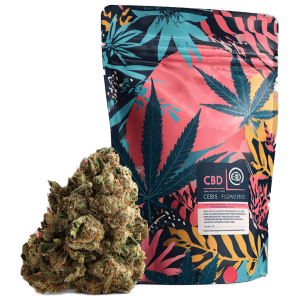
CBG flowers are dried hemp flowers from strains bred to build cannabigerol rather than cannabidiol. CBG buds look, smell and break up much like CBD buds; what changes is the dominant cannabinoid. In Switzerland they are sold as a plant smoking product.

Every CBG flower for sale here shows its strain, grower, pack size and CBG content as a share of the dry weight. To weigh up the CBG flower price, look at the price per gram: it is the fairest way to compare pack sizes. Buy CBG flower online by strain, or start from the cultivation you prefer.

Read more

CBG Trim and Shake

CBG trim and shake are the loose material from the same harvest as the buds. Trim is made up of the small sugar leaves clipped away when the flowers are manicured; CBG shake is what breaks off the buds as they are handled and packed. Same plants, same growers, a different format, and a lower price per gram than whole tops. That makes them the most affordable way into CBG flower. Look out for products such as Vision CBG Trim, which lists its CBG content and pack size just like the flowers.

Read more

Buy CBG Oil

Our CBG oils are full-spectrum blends of CBG and CBD in a 1:1 ratio, which is why you'll also see them listed as CBD and CBG oil. They come from Herba di Berna, made with organic hemp oil as the carrier, and each bottle holds both cannabinoids at the same concentration. A pure CBG oil without CBD isn't in the range, and we'd rather tell you that up front.

When you compare CBG oils, four things matter: the concentration of each cannabinoid in percent, the CBG-to-CBD ratio, the spectrum and the bottle size in millilitres. If you came looking for CBG broad spectrum, the oils we stock are full spectrum: they keep the hemp plant's other natural compounds alongside the two cannabinoids.

Working out where to buy CBG oil in Switzerland? Every CBD CBG oil here shows its ratio, concentration and volume on the listing, so you can compare them at a glance. Prefer an oil with no CBG in it at all? You'll find it among our CBD oil and CBD drops, which are built around cannabidiol alone.

Read more

Buy CBG Hash and Pollen

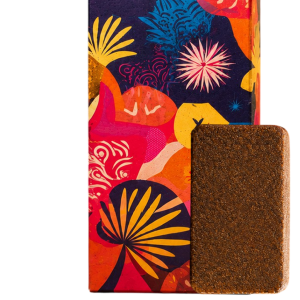
CBG hash and CBG pollen are concentrates: the resin of the hemp flower, with most of the plant material removed. Pollen, also known as kief, is made by sieving. The resin glands are shaken loose from dried flowers and collected as a fine, pale, sandy powder. Hash starts from the same resin, which is then pressed into a dense, darker block that holds its shape.

Both come from Swiss production. Our CBG pollen is from Swiss Botanic, sieved from indoor-grown flowers, and our pressed hash comes from Slow Weed, which lists its CBD and CBG content side by side. Each product states its CBG content as a share of the dry weight. Compare them per gram, as with the flowers, and let texture and colour guide you: powdery and light for pollen, compact and dark for hash.

Unlike THC-rich hashish, both are sold as plant smoking products and stay under 1% THC.

Read more

Buy CBG Seeds

CBG seeds are hemp seeds for cultivation, from genetics selected to produce cannabigerol rather than cannabidiol. Growing hemp that does not fall under narcotics law has been legal in Switzerland since 2021, so CBG hemp seeds sit in the range like any other product.

Two strain properties matter most. The first is whether a line is feminised: feminised CBG seeds grow into female plants, the usual choice when flowers are what you're after. The second is the genetics behind it. We stock the Fenopure line from Fenocan and a CBG-rich line bred on Lemon Diesel, among others. Every pack of CBG seeds for sale lists the strain, the breeder and the number of seeds inside.

We make no promises about yield or the cannabinoid content of the plants you grow: that's down to how and where you grow them, not the packet.


Read more

What is CBG and why is it more expensive than CBD?

CBG, short for cannabigerol, is the cannabinoid the hemp plant makes first, and it costs more than CBD because the plant converts most of it before harvest. In young plants it is present as CBGA, the acid precursor from which the plant later forms CBD and THC.

That is why CBG is often called the mother of cannabinoids. By the time a plant is fully mature, little of it is left. Our magazine explains what cannabigerol actually is in more depth.

For you as a buyer, this shapes the whole range. A high CBG content takes specially selected genetics or an earlier harvest, and both mean less material to go round. The result is smaller batches, a narrower choice and a higher price per gram than comparable CBD products. When you buy cannabigerol, you're paying for rarer genetics, not for a bigger shelf.

Read more

Lab-tested and under 1% THC

Lab-tested CBG products come with a lab report, and we publish it where you'll look for it: on the product page. The testing is done by a laboratory commissioned by the brand; we collect the reports, check them and put them online. Where a brand supplies no report, we say so on the product page. That is what transparent access to the lab report means to us.

The report, sometimes called a certificate of analysis, tells you four things. The cannabinoid profile shows how much CBG and CBD the batch contains, and its total THC. The batch number ties the report to the exact product you order. The name of the testing laboratory and the test date tell you who measured it, and when.

To put it to use, match the batch number on the report to the one on the listing, then check the THC line. It should read under 1% THC.

Read more

Frequently asked questions about CBG products

What is the difference between CBG flowers and CBG oil?

CBG flowers are dried plant material, while CBG oil is a hemp extract dissolved in a carrier oil. That changes how the content is stated: flowers give their CBG content as a share of the dry weight, oils as a percentage per cannabinoid. Our oils are also 1:1 blends of CBG and CBD, whereas the flowers are dominated by CBG.

Price and pack size follow the same split. Flowers are sold by the gram and oils by the millilitre, so the two don't line up directly: compare within a form, not across them.

How do CBG products differ from CBD products?

CBG and CBD are two cannabinoids from the same hemp plant, and CBG is the precursor from which CBD forms as the plant matures. Because CBG-rich material is scarcer, CBG products come in a smaller range and cost more per gram or per millilitre than their CBD counterparts. Both are held to the same legal limit of under 1% THC, and their content is declared the same way. If you want the CBD version of any form on this page, whether flowers, oil, hash or seeds, you'll find it in our CBD Shop.

Are CBG products legal in Switzerland?

Yes, CBG products are legal in Switzerland as long as their total THC content stays under 1%. Cannabigerol itself is not a controlled substance here, so what counts is the THC figure of the finished product, not the cannabinoid it contains. The same rule covers CBG and CBD alike, across flowers, oil, hash and seeds, and the measured figure sits on each product. If you're travelling, bear in mind that other countries set different limits.

How do I read the CBG content of a product?

You read the CBG content from the declaration on each product. Oils give it as a percentage per cannabinoid, so on our 1:1 blends you'll see CBG and CBD listed separately. Flowers, trim, hash and pollen give it as a share of the dry weight. Either way, the figure applies to the batch that was measured, not to the product line as a whole, so two batches of the same product can differ slightly.