The well-established classifications of Cannabis varieties into Sativa-dominant, Indica-dominant, or hybrid categories have guided consumer choices for decades. Traditionally, users associate Sativa varieties with an uplifting or energizing boost, while Indica genetics are linked to relaxation. This historic botanical distinction presents real morphological differences in plant structure – elongated versus compact growth, thin versus broad foliage – which still influence effect perception today.
However, modern science reveals a more nuanced reality. Research demonstrates that terpenes and the entourage effect determine experience more than simple Sativa or Indica genetics. These natural aromatic molecules – myrcene for relaxation, limonene for alertness – create the true effect signatures of each variety.
The evolution toward classification by chemotypes – precise molecular profiles – is gradually replacing historical distinctions, promising a more scientific and predictable approach for the future of therapeutic cannabis. At uWeed, we strive to present each product not only with its dominance but also with the complete terpene profile of every variety when known.
⚠️ Disclaimer: CBD products are not medicines and do not replace medical treatment under any circumstances. The information detailed in this article does not constitute medical advice and cannot be used to diagnose, treat, or cure any illness. Always consult your doctor or healthcare professional before using CBD, especially if you are taking other medications. Furthermore, CBD products (including oils) sold at uWeed in Switzerland are not made to be ingested: take time to read the instructions on the packaging and respect the warnings provided.
Cannabis Comparison: Sativa, Indica and Hybrid
| Category | 🌿 SATIVA | 🍇 INDICA | ⚖️ HYBRID |
|---|---|---|---|
| Appearance | • Thin leaves • Elongated structure • Airy buds | • Broad leaves • Compact structure • Dense buds | • Mixed characteristics • Variable structure • Combined traits |
| Origin | • Equatorial regions • Hot and humid climate • Constant photoperiod | • Central Asia • Mountain climate • Short seasons | • Modern crosses • Genetic selection • Controlled cultivation |
| Traditional Use | • Daytime use • Mental activity • Creativity | • Nighttime use • Body relaxation • Rest | • Versatile use • Balanced effects • Adaptability |
What is the difference between Indica and Sativa?
Cannabis taxonomy dates back to 1753 with Carl von Linnaeus and his designation “Cannabis sativa L.” Jean-Baptiste Lamarck completed this classification in 1785 by identifying “Cannabis indica” after observing specimens from India with distinct morphological characteristics.
These two main taxonomic classifications distinguish plants according to their environmental adaptations and botanical traits:
- Cannabis Sativa evolved naturally in equatorial regions where photoperiods remain constant. These varieties develop elongated growth, thin leaves, and long flowering times, favored by vertical growth patterns.
- Cannabis Indica develops in the mountain ranges of Central Asia, where short seasons and harsh climates select compact and resistant plants, with a bushy structure adapted to complex conditions.
Modern cultivation has complicated this simple classification. Breeders have created countless crosses, making pure lineages extremely rare. This evolution explains why Swiss professionals now favor chemical profile analysis over simple botanical classification.
Why does the cannabis industry still use these terms
This classification persists due to its communicational simplicity – associating “Sativa = energy” and “Indica = relaxation” provides immediate reference points for novice consumers. The industry has built decades of communication around these categories, creating a common language.
Psychological expectations also play a role: users who expect specific effects may experience them through the placebo effect. However, modern research reveals that terpene profiles determine effects more than pure genetics.
What are the botanical differences between Sativa and Indica?
The morphological distinctions between Sativa and Indica remain visible despite modern hybridization, creating recognizable characteristics that directly influence cultivation.
- General Structure: Sativas develop an elongated architecture (3-4 meters) with vertical growth, while Indicas favor a compact and bushy form (under 2 meters).
- Foliage: Sativas present thin leaves with narrow leaflets (7-11 segments), versus broad leaves with thick segments for Indicas (5-7 leaflets).
- Flowering: Sativas require 10-16 weeks to develop airy inflorescences, while Indicas flower quickly (6-10 weeks) with dense buds.
These distinctive traits are found in our curated CBD flower selection, where Swiss expertise allows identification of each lineage’s characteristics while respecting local regulations.
Can you tell the difference between Indica and Sativa by looking at it?
The morphological differences between Sativa and Indica varieties remain identifiable despite modern hybridization, helping you better understand your CBD products.
Comparative table of botanical characteristics of Cannabis Sativa and Indica
| Criteria | Sativa 🌿 | Indica 🍇 |
|---|---|---|
| Average Height | Elongated plant – up to 3-4 meters | Compact plant – approximately 1-2 meters |
| Foliage | Thin and long leaves, 7-11 leaflets | Broad and thick leaves, 5-7 leaflets |
| General Structure | Airy with large internodes | Dense and bushy, little space between nodes |
| Flowering Time | 10-16 weeks, late flowering | 6-10 weeks, rapid flowering |
| Bud Morphology | Elongated and airy buds, conical, light to medium green color | Compact and dense buds, rounded shape, dark to purple colors |
These distinctions are also found in cannabis resins and hash products, where Indica varieties generally produce more compact textures and darker colors than their Sativa counterparts.
Visual identification, combined with Swiss laboratory analyses, guarantees informed selection according to your preferences and experience expectations.
How do Sativa vs Indica effects differ?
Traditional classification associates Sativas with energizing and cerebral effects, while Indicas would produce deep bodily relaxation. This distinction still guides many consumers in their daily choices.
However, modern research questions these simplified associations. The different CBD effects and potential benefits depend more on chemical profiles – CBD concentrations, cannabinoid ratios, and terpene compositions – than on simple genetics.
This reality raises two essential questions: Do Sativas bring more energy? Are Indicas systematically relaxing? Examining these beliefs reveals the importance of individual and chemical factors in modern CBD experience.
Does Sativa give you energy?
The Sativa-energy association stems more from tradition than pharmacological reality. No controlled study demonstrates a direct correlation between Sativa genetics and energizing effects. CBD generally produces moderating effects rather than stimulating ones.
Terpenes like limonene and pinene influence energy perception more. The sensation depends on dosage, timing, and psychological expectations rather than genetic classification.
Is Indica better for relaxation and sleep?
The Indica-relaxation association doesn’t reflect the complexity of legal CBD action. Cannabidiol produces modulating effects on homeostasis, independent of genetic origin. Myrcene, a relaxing terpene, is found in various genetic lineages.
Many modern Indicas present energizing profiles, while certain Sativas develop relaxing concentrations. Contextual factors – dosage, timing, personal state – influence experience more than genetics.
Are terpenes more important than Indica/Sativa genetics?
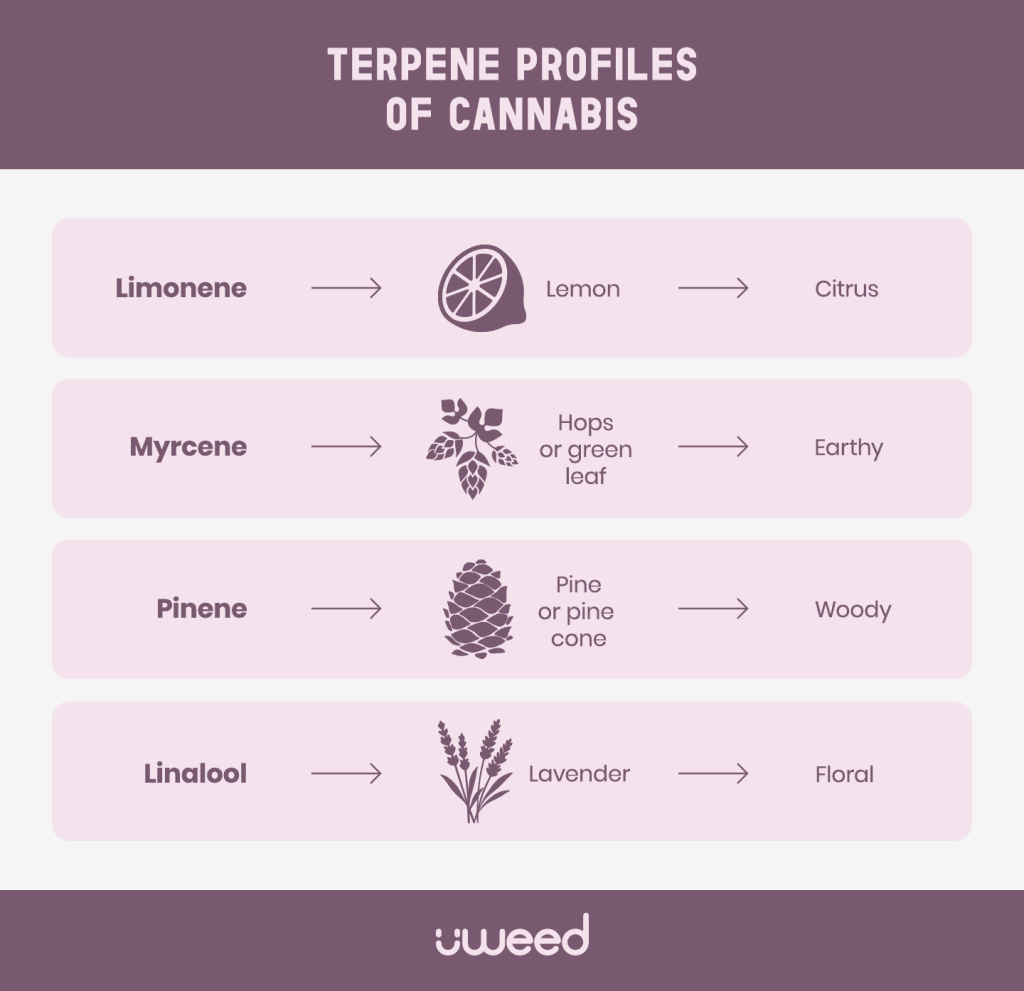
Modern research revolutionizes our understanding of cannabis effects by demonstrating the primacy of aromatic compounds over traditional genetic classification. Terpenes determine effects more than Sativa or Indica heritage: myrcene produces measurable sedation, limonene stimulates mental alertness, independent of botanical lineage.
This discovery transforms the approach to selecting CBD products. Rather than relying on traditional categories, the primary terpenes found in cannabis now constitute the accurate indicators of efficacy.
The avant-garde Swiss industry now favors terpene profile analysis to predict user experiences. This scientific approach raises two fundamental questions: how do these aromatic molecules create synergies with CBD? And how do they concretely modify our sensations?
Understanding these mechanisms allows for a more precise selection and more predictable results than a simple Sativa-Indica distinction.
What is the entourage effect?
This phenomenon describes a simple but powerful reality: all natural cannabis compounds work better together than separately. Imagine an orchestra – each musician plays their part, but it’s their harmony that creates the complete melody. 🎵
In cannabis, CBD doesn’t act alone. It collaborates with other cannabinoids like CBG (cannabigerol) with potential antibacterial properties, CBN (cannabinol) recognized for its sedative effects, or CBC (cannabichromene) which could amplify anti-inflammatory benefits. These molecules, associated with aromatic terpenes, create a richer and more balanced experience.
This natural synergy explains why “full-spectrum” products are often preferred to pure CBD isolates. The entourage effect reveals that nature has already created the optimal formula; our Swiss extractions preserve this original harmony between all these cannabinoids to maximize potential benefits.
Even CBDA (cannabidiolic acid), a natural precursor of CBD present in fresh hemp, contributes to this complex molecular orchestration that characterizes the best full-spectrum products.
How do terpenes modify CBD effects?
Terpenes are the molecules responsible for cannabis fragrances – and they do much more than smell good. These natural aromatic compounds directly modify how you feel the effects of CBD.
Take concrete examples: myrcene (earthy aroma) promotes relaxation, while limonene (citrus fragrance) stimulates energy. This is why two CBD oils with the same concentration can produce different sensations according to their aromatic profile.
These interactions explain why the smell of your CBD flowers can indicate the expected experience – your nose becomes a natural guide for selection.
Which is better: Sativa or Indica for CBD?
For Swiss CBD, the difference between Sativa and Indica mainly concerns natural aromas and fragrances. All our products respect the legal limit of less than 1% THC, which eliminates intoxicating effects. Your selection, therefore, depends on your personal preferences: what fragrances you appreciate, when you plan to use the product, and what your wellness objectives are.
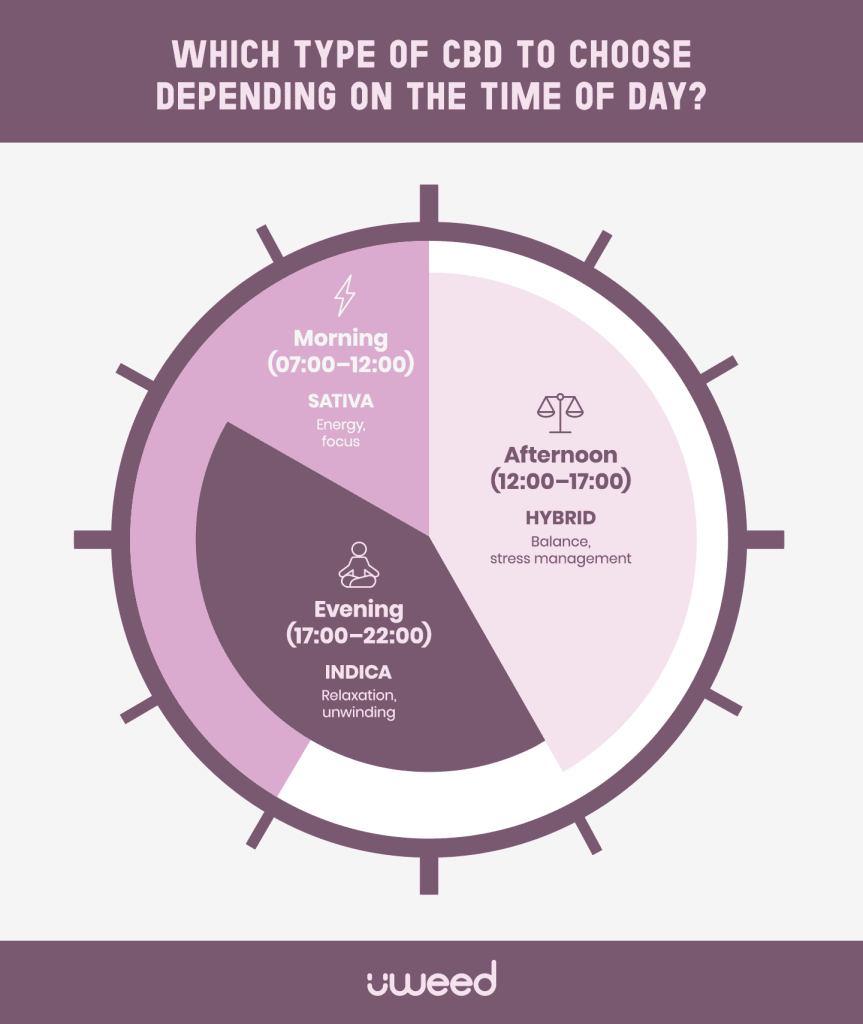
No need to limit yourself to rigid categories! Each variety offers its own experience according to its natural aroma profile. You can choose according to your momentary desires: concentration in the morning, relaxation in the evening, or balance with hybrids.
Is Sativa or Indica better for focus and concentration?
Sativa varieties often develop fresh and citrusy fragrances, thanks to molecules like limonene and pinene. These natural aromas complement well moments when you need to stay alert and focused.
To start, choose medium concentrations (10-15%) that avoid morning drowsiness. Energizing terpene-rich CBD oils integrate easily into your daily routine, especially if you combine them with a bit of natural light and a walk.
Which strain is best for sleep and relaxation?
Indica varieties generally concentrate more earthy and floral fragrances, with molecules like myrcene and linalool. These natural aromas create a more soothing atmosphere, perfect for the end of the day.
You can opt for slightly higher concentrations (15-25%) in the evening. The ideal? Take your CBD 1-2 hours before bedtime for a smooth transition. Our guide on CBD for better sleep quality explains everything in detail.
What’s the difference between Sativa, Indica, and Hybrid effects?
Hybrids mix characteristics from different varieties to create “in-between” profiles. The idea seems appealing on paper, but in reality, these blends make effects less predictable than with purer varieties.
What matters with a hybrid is its specific aroma profile and laboratory analyses. Don’t be seduced only by the idea of “perfect balance” – instead, check what the product concretely contains!
What are the best strains for daytime vs nighttime use?
Adapting your choice according to the moment optimizes your experience. Fresh and citrusy fragrances suit well in the morning, while earthy and floral aromas better accompany your evenings.
Simple daily routine:
Morning

Varieties with fresh fragrances + a little activity
Day

Balanced profiles to manage stress
Evening

Soothing aromas in a calm atmosphere
Adapt according to your personal needs and the season – everyone has their rhythm!
Is there a price difference between Indica and Sativa?
Theoretically, price variations could reflect different production costs. Sativas require longer cycles (10-16 weeks) and more space, while Indicas flower more quickly (6-10 weeks) with better yields.
At uWeed, we practice equivalent prices between Sativa and Indica varieties of comparable quality. This approach reflects our philosophy: traditional genetic classification doesn’t influence the product’s real value.
What truly determines pricing are factors that influence CBD quality: Swiss organic cultivation, supercritical CO₂ extraction, independent laboratory analyses, and certifications. A premium variety – whether Sativa or Indica – justifies its price through its excellence, not its genetic label.
Our transparency on CBD pricing reflects this modern reality: value resides in Swiss expertise, complete traceability, and process innovation, rather than traditional botanical distinctions. Each product is evaluated according to its own merits and unique terpene profile.
How to choose between Indica and Sativa: Complete selection guide
You can easily filter products according to their genetic dominance thanks to our intuitive navigation tools. This functionality allows you to browse varieties according to your traditional preferences.
In our product categories, use the filters:
- “Sativa” for varieties with generally more energizing profiles
- “Indica” for those who traditionally find it more relaxing
- “Hybrid” for balanced blends
Practical advice: Combine these filters with other determining criteria like CBD concentration, indicated terpene profile, or customer reviews. This multi-criteria approach guarantees a more precise selection than simple genetic classification.
On our specialized legal cannabis CBD shop, each product sheet details the aromatic profile and specific characteristics – information much more reliable than the Sativa/Indica label for anticipating your experience.
Is the Indica/Sativa classification system outdated?
Modern science questions the traditional Sativa/Indica classification that still guides the cannabis industry. Genetic analyses reveal that most current varieties result from complex crosses, making “pure” categories practically non-existent. Yet these terms persist in marketing for their communicative simplicity.
This evolution leads us toward a more precise approach: classification by “chemotypes” – detailed chemical profiles that predict effects. This transition represents the future of selection based on science rather than outdated traditions.
What does modern cannabis genetics tell us?
New DNA analysis technologies reveal a surprising reality: most commercial varieties are complex genetic blends resulting from decades of crosses. “Pure Sativas” or “pure Indicas” practically no longer exist in modern productions.
Researchers now identify specific genetic markers linked to terpene and cannabinoid production. This understanding allows the development of varieties with precise chemical profiles, independent of their traditional Sativa or Indica heritage.
Real genetic diversity far exceeds the traditional binary framework – each variety represents a unique combination of multiple hereditary influences.
Why does the industry maintain Indica/Sativa terminology?
The persistence of this classification is mainly explained by commercial simplification. Associating “Sativa = energy” and “Indica = relaxation” immediately guides beginner consumers, even if this approach lacks scientific precision.
Decades of marketing have anchored these terms in collective consciousness. Changing this perception would require considerable educational investments that few companies are ready to undertake.
This commercial inertia favors familiarity over scientific accuracy, delaying adoption of more sophisticated and reliable classification systems.
What are cannabis chemotypes, and how do they work?
Chemotypes group varieties according to their exact compositions in cannabinoids and terpenes, creating categories based on real effects rather than supposed genetic heritage.
This approach allows predicting user experience with much superior reliability. Instead of guessing according to the “Sativa” or “Indica” label, you can choose according to documented and analyzed chemical profiles.
Forward-thinking producers already adopt this terminology, anticipating the transition toward more precise systems. This evolution represents the future of cannabis selection: a more predictable, personalized, and scientifically founded experience.
This discreet revolution progressively transforms the industry, favoring real efficacy over outdated marketing traditions.